Does anyone get their portrait painted anymore, other than presidents and first ladies? I was thinking about that after going to two exhibitions, one at the Metropolitan Museum of Art, the other at the Whitney.
The first one was entitled Sargent in Paris, and it explored the emergence of John Singer Sargent as one of the premier portrait painters in the 1880s. He was commissioned by people in high society to paint themselves, their wives and children. I don’t travel in high society, so it is possible that old money, or the richest folks among us, still do that. If they do, I haven’t heard of the artists who do it or seen exhibits of their work. I am more familiar with hiring a photographer to do a shoot, but even that isn’t common, though some do it for an engagement or new baby. Back in the day, and I’m referring to the Guilded Age, it was apparently a sign of status to engage someone like Sargent to do a portrait.
From what I read while I walked through the galleries, Sargent was quite adept at nurturing the relationships one needed to sustain his career. There is no denying Sargent’s artistry, I love his work, but I think his ability to hobnob with the circles that could pay him enhanced his career and reputation. I wonder if he liked that part of his job. Maybe it came naturally to him. I would hate it. It is possible, like Michael Jordan who had both talent and tenacity, Sargent had both the social skills and the exceptional talent that allowed him to achieve the heights of success as a portrait artist.
Though Sargent was an American, he only visited here. His parents were ex-pats who moved around Europe. He was born in Florence, and he died in London. Despite spending a good deal of time overseas, he did leave his mark here in America, particularly in Boston where his murals decorate the ceiling and walls of the main branch of the public library. He, unlike some artists, was celebrated in his lifetime. There was a period after he died where his work was less respected because it was viewed as the work of a mere illustrator, without much creativity. Then his reputation rose again as the art world took another look at the nuance of his portraiture and skill of his brushwork.
Here are some examples of the range of his work from the exhibit:

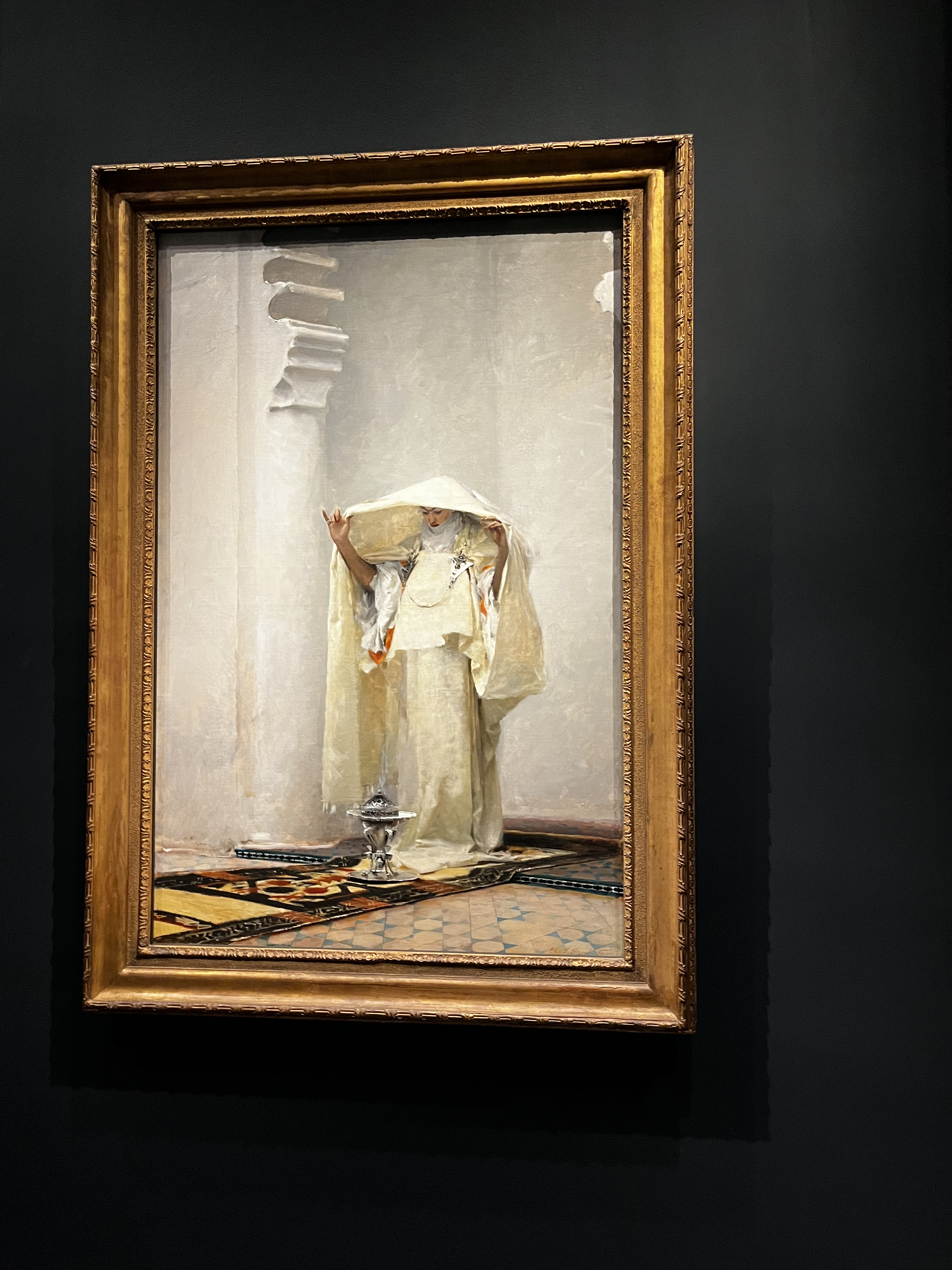

I love Sargent’s canvases – his formal portraits and his paintings of nature. He was so versatile. He could do watercolors, and he could paint in the Impressionist style. Whatever he did, his use of color was so vibrant, you can feel the texture of the fabric of the dress his subject wore. He also makes white come alive, which is unique – not everyone can make white an interesting color. And, even though he was often simply painting a portrait of someone I never heard of nor cared about, he manages to make them compelling.
This is the one commonality I found between the Sargent exhibit and the other show I attended, Amy Sherald: American Sublime at the Whitney. You may know Amy Sherald as the artist who painted Michelle Obama’s portrait, and that canvas is included in the exhibition at the Whitney. That work got some attention, but of the pieces on display that one was the least interesting to me.
Like Sargent, Sherald paints ordinary people but makes them notable. I suppose it isn’t accurate to say Sargent portrayed “ordinary” people, since they were, with few exceptions, very rich, but they weren’t famous in the way we understand fame today. Sherald’s subjects, with the exception of Michelle Obama, aren’t rich or famous– they are regular people. Sherald is interested in presenting people of color, offering less emphasis on their skin tone and more on their everyday lives – reflecting their joy, their dignity, their pride. She also plays with our expectations of gender and race, showing people in surprising settings.
Sherald’s work is also a celebration of color, but in an entirely different way than Sargent. Her canvases are bold, and while Sargent may have been considered bold, it was in the context of the Victorian era. Sargent’s most controversial painting, Madame X, presented a woman with the strap of her evening gown off her shoulder, which he later fixed to appease the sensibilities of the time. Sherald is far more daring, pushing the boundaries of our expectations. I’m sure some viewers, I’m thinking of social conservatives, would not appreciate her perspective. I love that her work makes you stop, think and reconsider assumptions.
Here are some examples of her work:

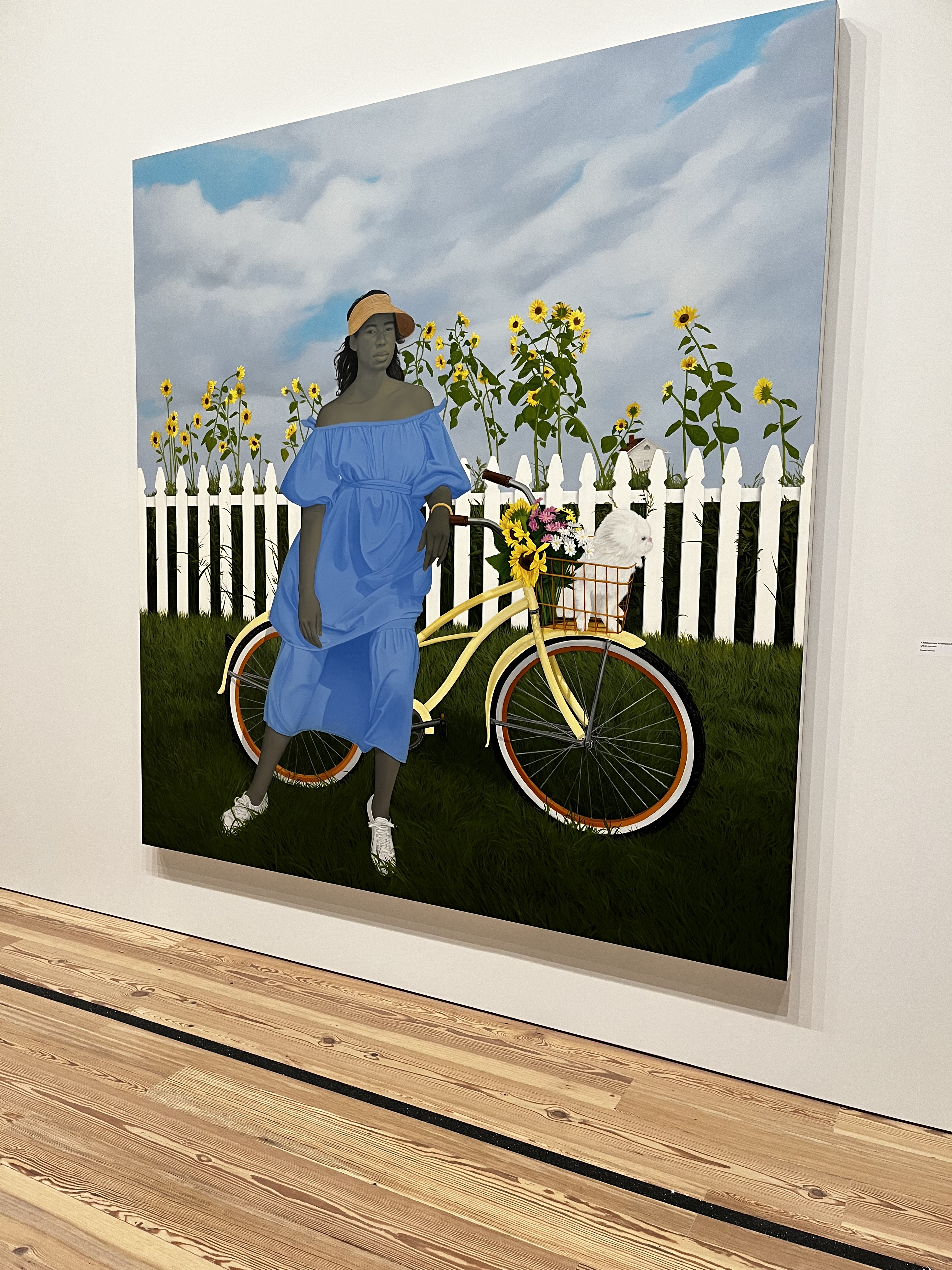


Sherald’s canvases, with the notable exception of the Obama portrait, are not on commission. She spots people on the street that she finds interesting for one reason or another, or she has an inspiration, and she asks permission to photograph that individual and then paints from the photograph. Unlike Sargent, she was not able to make a living as an artist until later in her life. She waited tables until she was 38 years old.
Though I did not set out to see these two exhibits to compare and contrast them, it turned out to be an interesting exercise. If you are in NYC, I recommend seeing either one or both. You can expect huge crowds at the Metropolitan. I went on a member preview day and there were lines. I’m not sure if that was due to the popularity of Sargent or the popularity of the Met. It was far less crowded at the Whitney which made for a more enjoyable and relaxed experience. There are plenty of other things to see at each museum, obviously, and if you haven’t been to the Whitney since it moved downtown, the building itself is worth a visit. The Sherald exhibit runs through August 10th, while the Sargent is open through August 3rd. If you see either one, feel free to come back here and comment. I’d love to hear other perspectives.
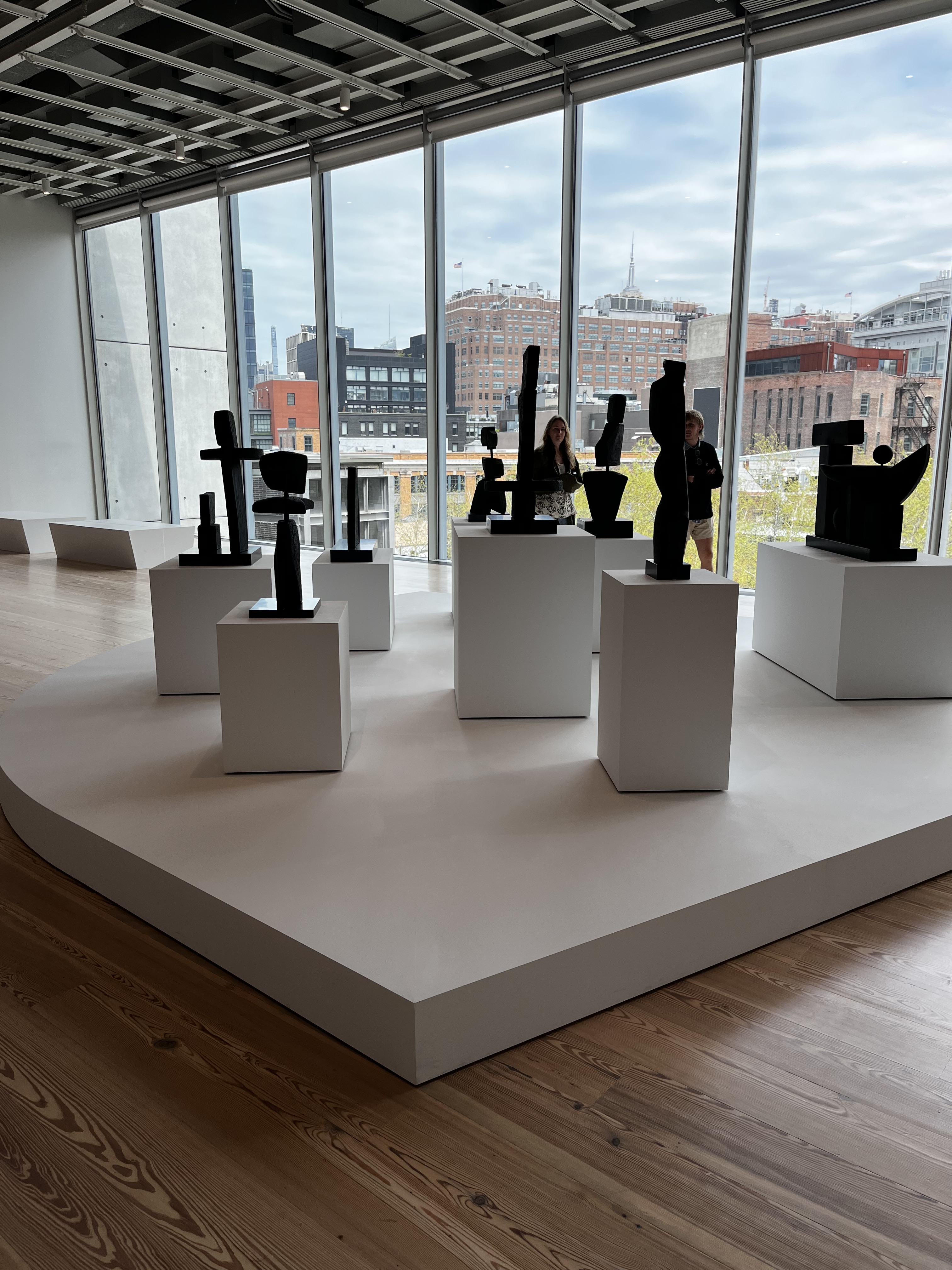
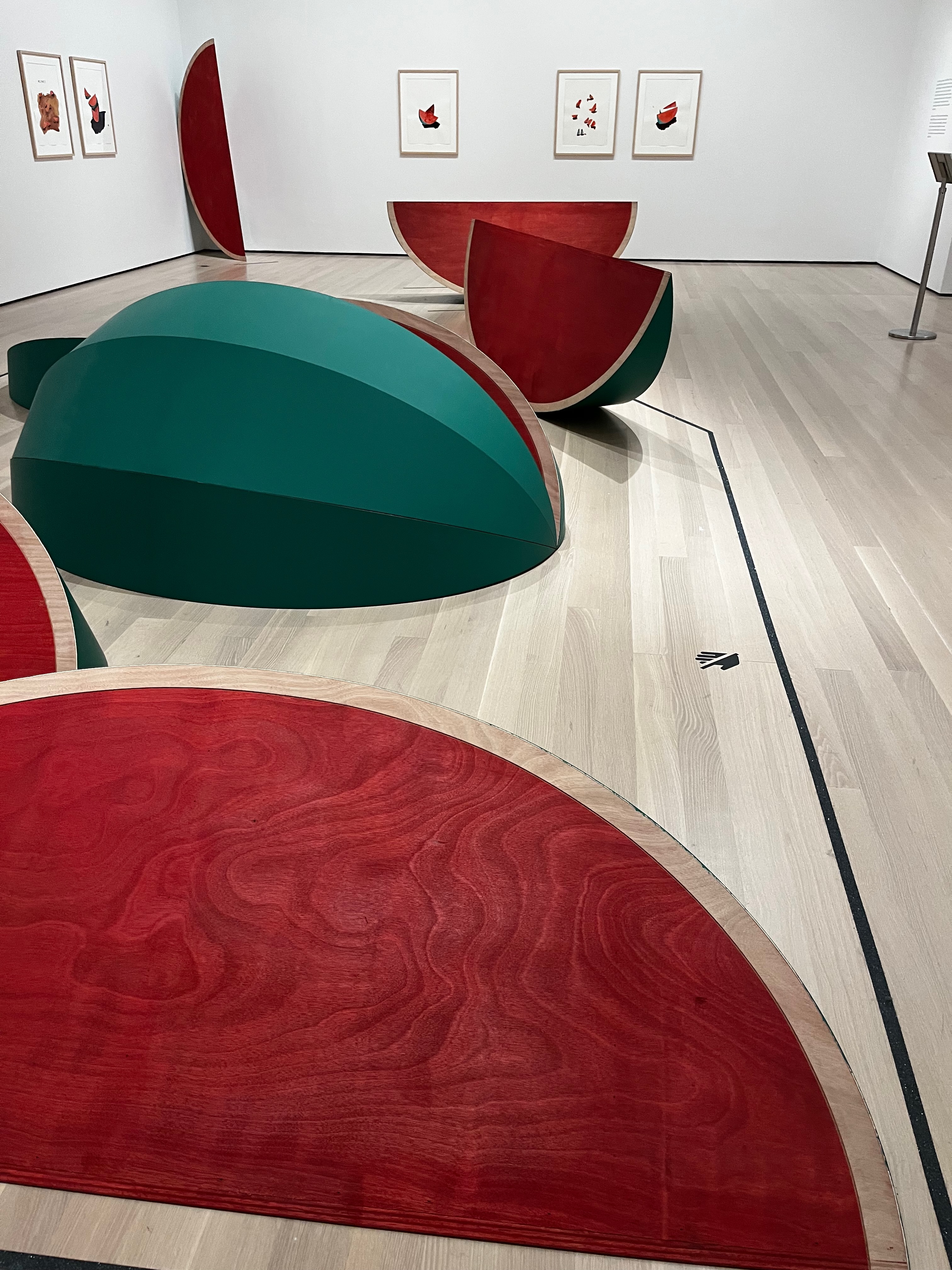
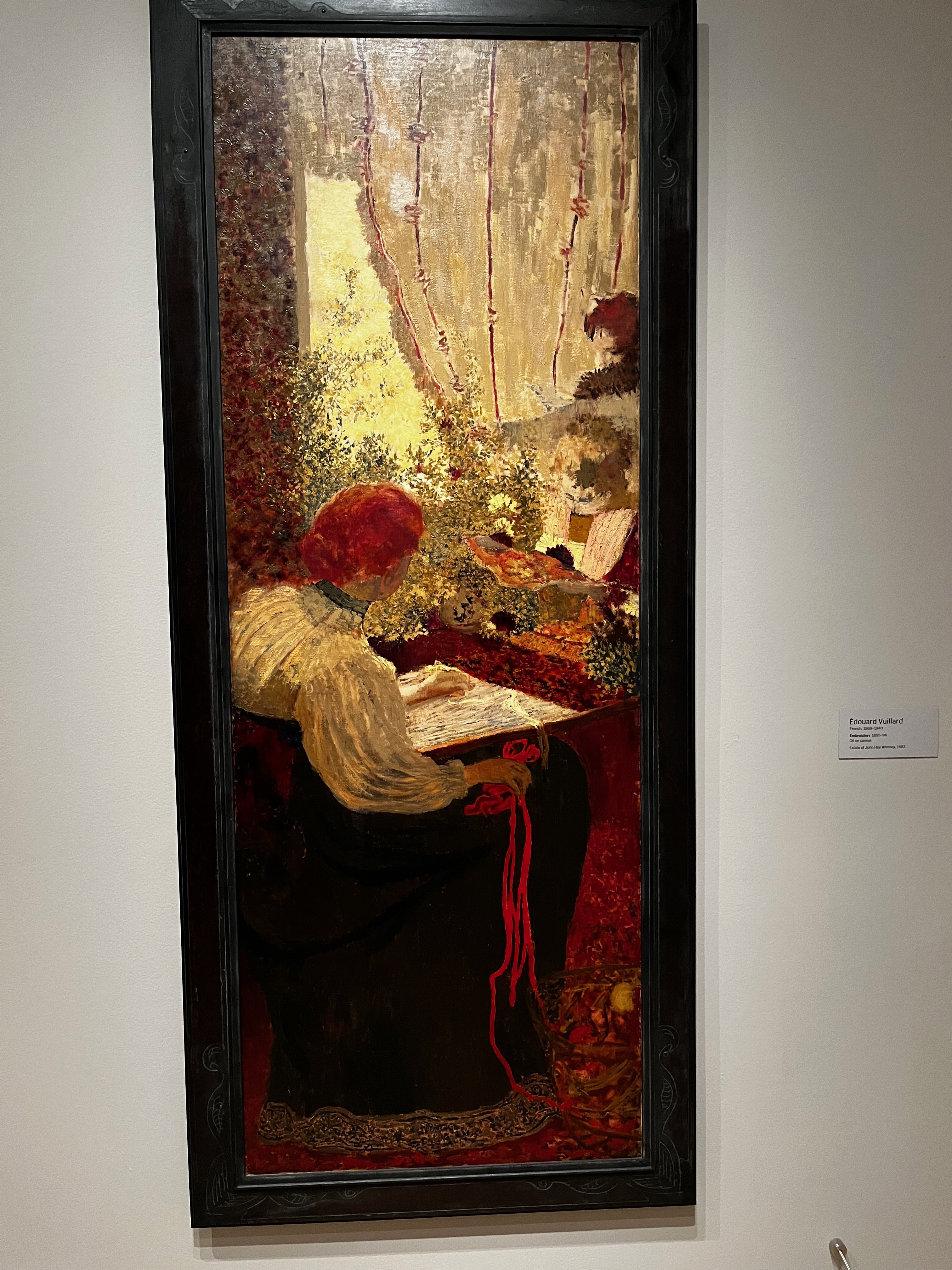
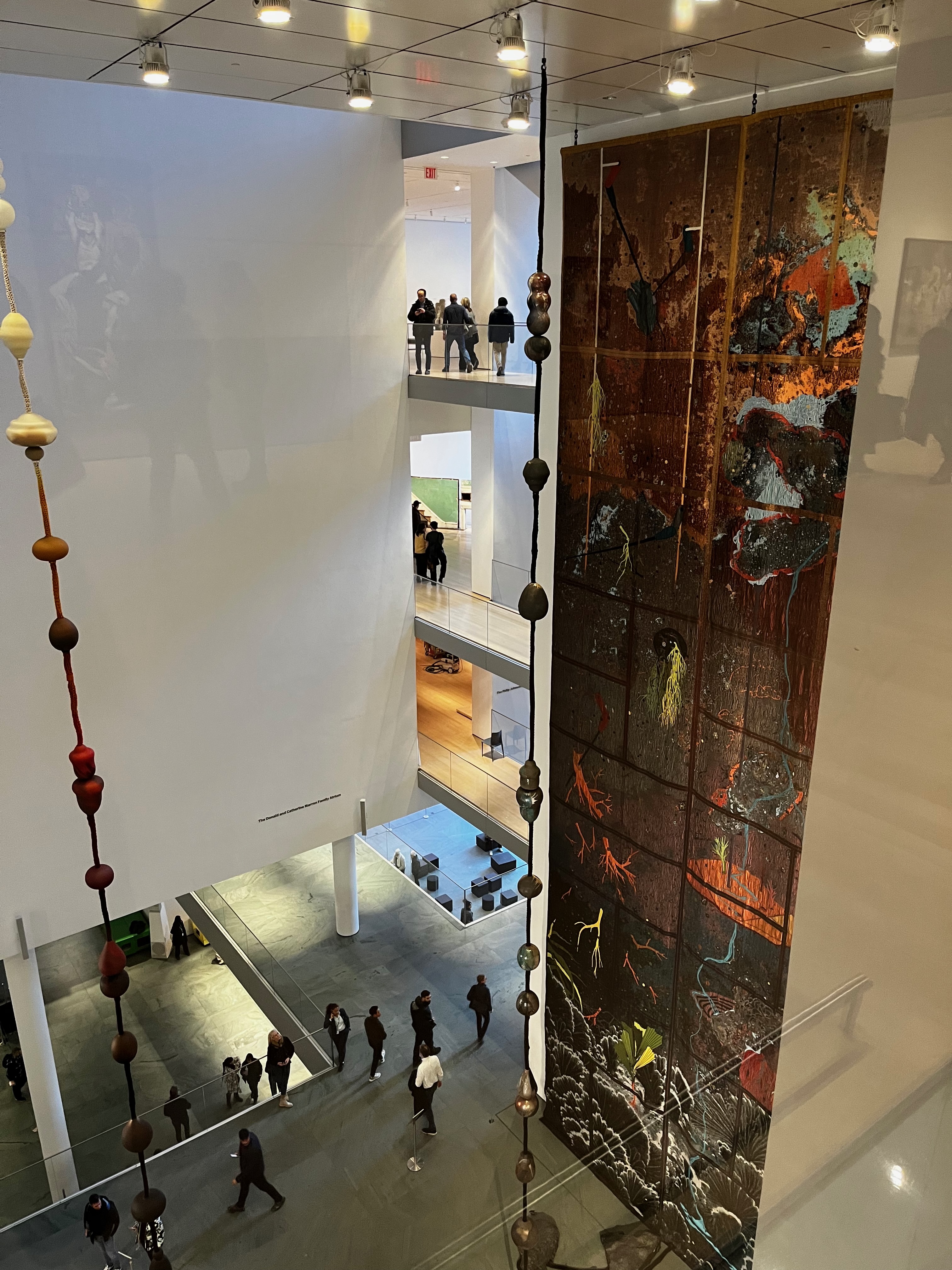
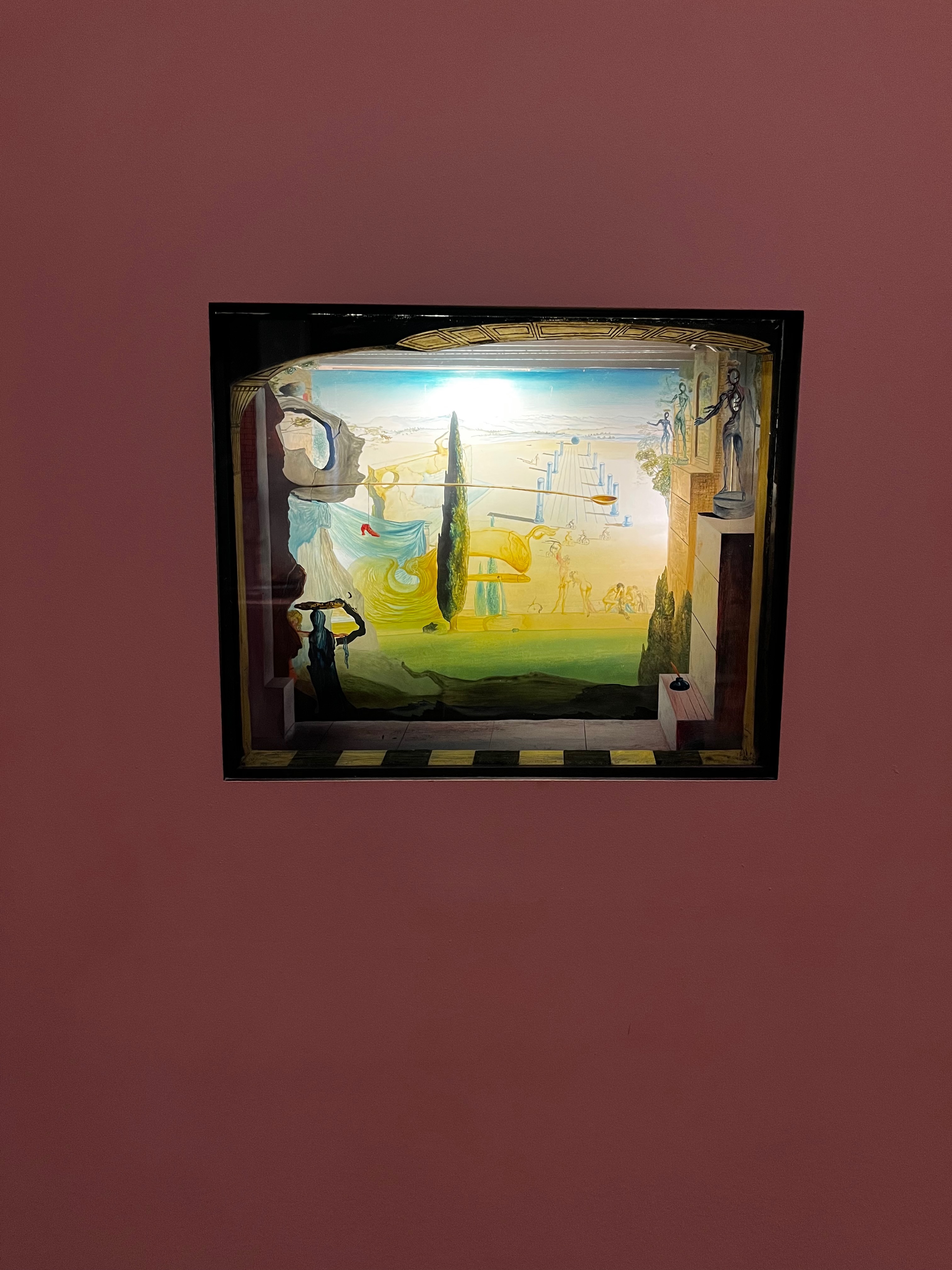
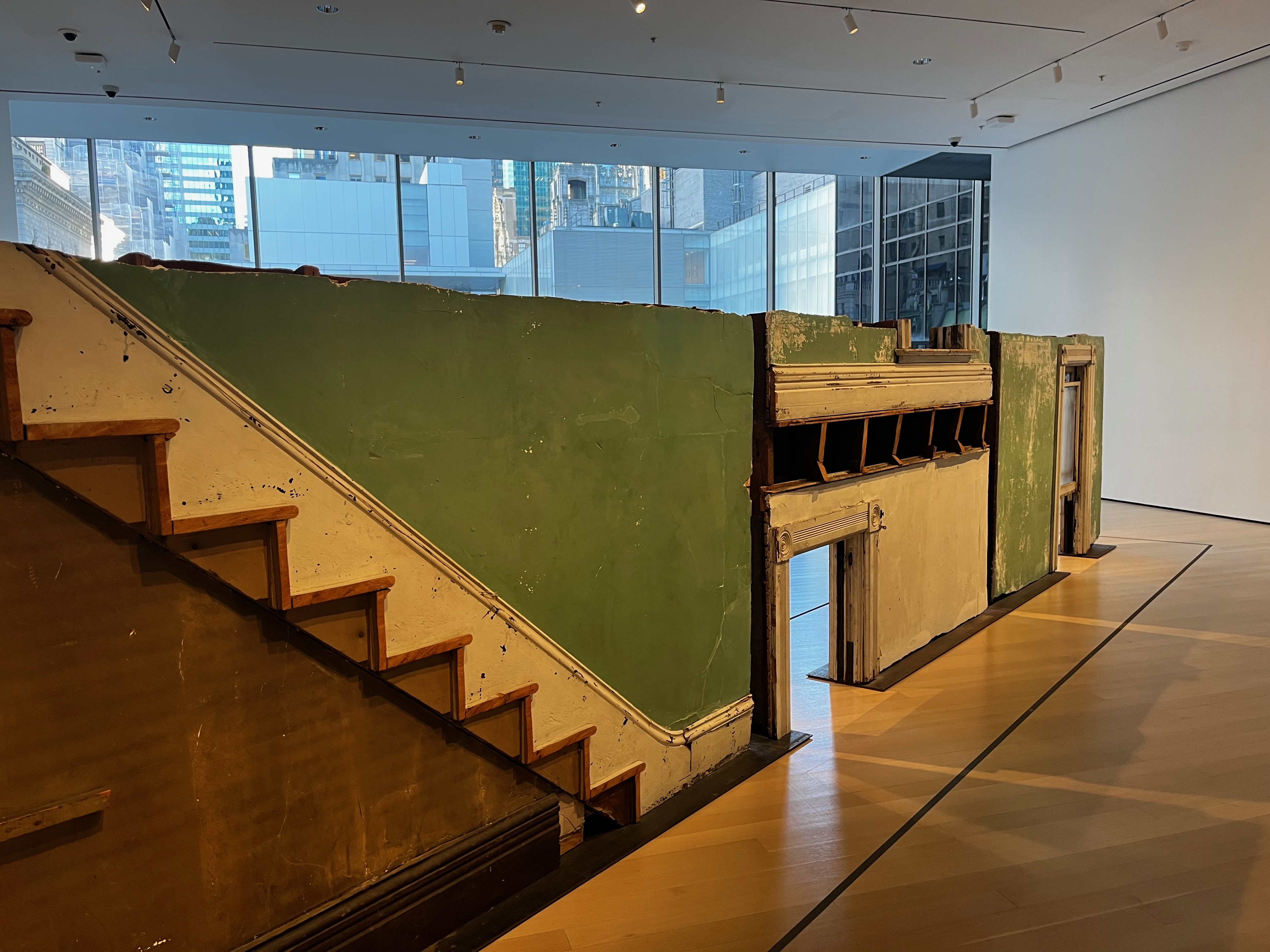
Here are some photos I took of other exhibits that I particularly enjoyed at the Whitney:

















 Stories I Tell Myself