Stories I Tell Myself

Linda Brody Bakst on Brooklyn, growing up, identity and more

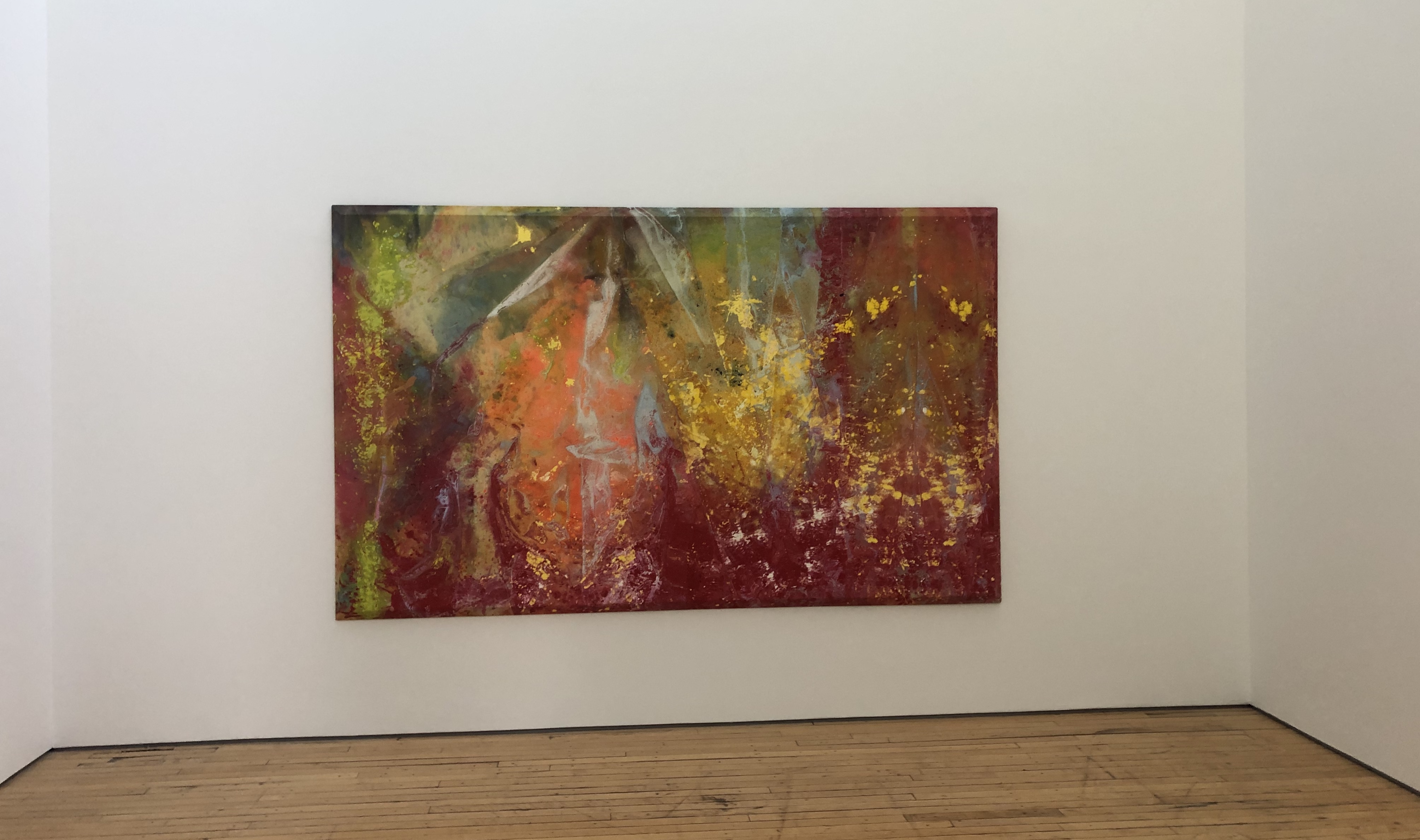
  • On Saturday Gary and I met friends and went to Dia, an art museum in Beacon, New York, in the Hudson Valley. The building was repurposed, it had been a box factory for Nabisco. It featured large spaces that housed huge installations – sculptures, paintings, arrangements of stuff. We were told it was 30,000 square feet. We took a guided, one-hour tour.

    The docent introduced herself, offered some history of the building and explained that she was an artist. Gary whispered to me, “Duh!!” From her theatrical manner to her inability to remember dates to the words she used to describe the art, she was what you think of when you imagine an ‘artist’ – creative and airy.

    We were a small tour group. As we gathered to begin one gentleman coughed, a phlegmy, worrisome sound. Everyone took a step back and looked at each other. Coronavirus was on all our minds, but we were not deterred. During our visit we stopped once to wash hands at the restroom and later Gary passed around his travel sized bottle of Purell.

    The first installation we looked at consisted of numbers painted on the walls of the gallery with a straight red line connecting them. The line and numbers were above my eye-level (I’m 5’6”). The docent explained that the numbers corresponded to the measurement of the space and the height of the line was the eye-level of the artist. She talked about it as a blueprint brought to life, bringing our awareness to the structure in which we stood. I thought it was interesting and gave me food for thought. I caught two of my companions rolling their eyes – they were not enthralled. Another person on the tour was moved to point out that the space wasn’t made up of perfect squares – the measurements across from each other weren’t exactly the same. The docent and that person engaged in some discussion. I was getting less interested by the second. Finally, we moved on.

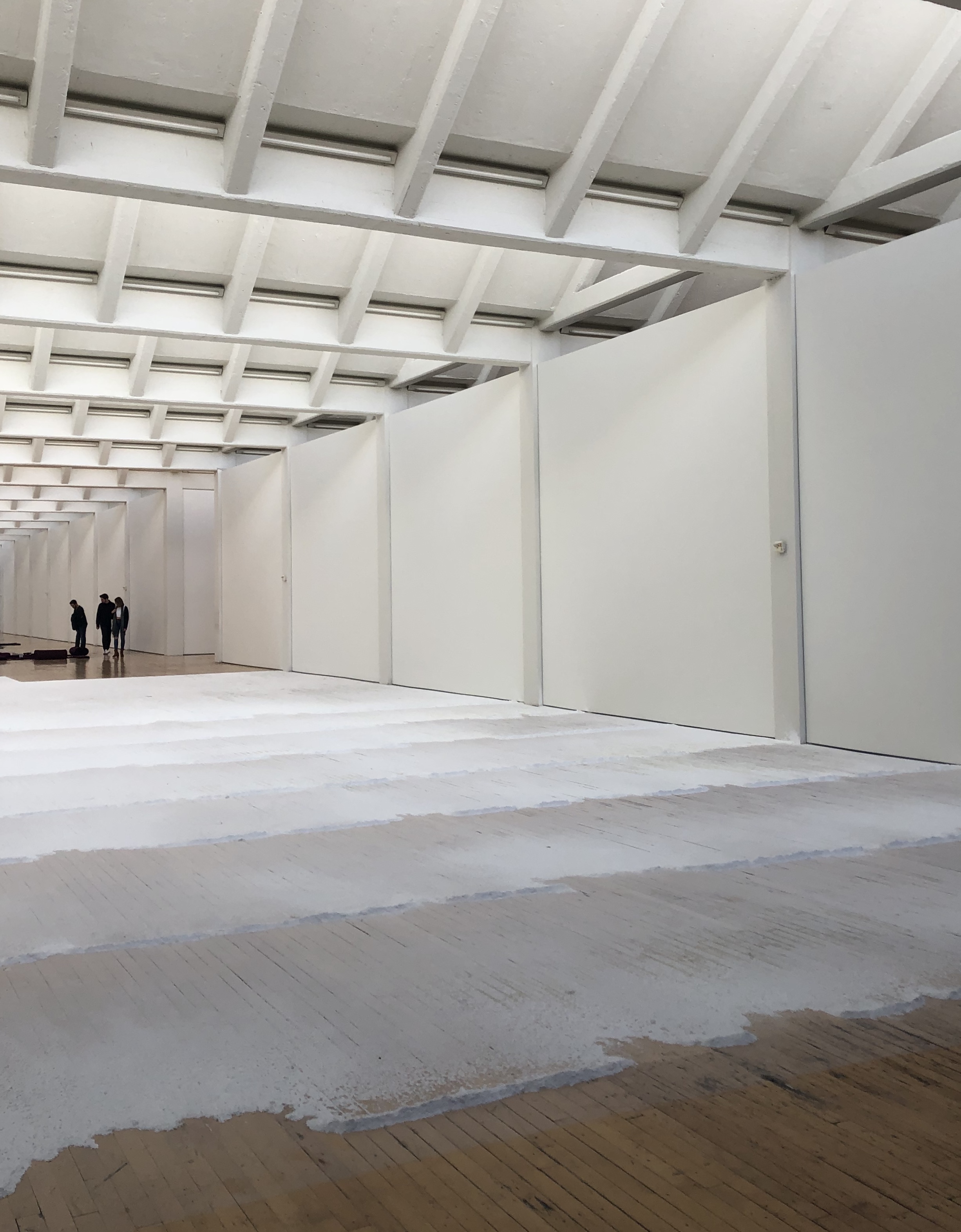
    The second room, see picture below, was comprised of a white dust arrangement on the wood floor. We were asked what we thought the substance was – we took some guesses. It was chalk. I liked the look of it – the wave-like pattern. Gary found this more interesting than the last room, but not by much.

    9FC205F2-56AE-48BE-AFB6-CC3CDB28A549_1_201_a

    We continued walking through galleries. We came upon rusted structures designed for people to walk through and another area with free-standing discarded car parts, and a space with colorful fluorescent lights. We went outside to a garden where there was a soundscape – an artist had manipulated bird calls. The docent explained that the artist, a woman, was commenting on the fact that, other than her, when the museum opened all the exhibits were made by male artists. The sounds were the names of those male artists, distorted through a computer. If I hadn’t been provided that background information, it would have sounded like random noises. It wasn’t unpleasant, but I wasn’t sure it added to the experience either. Instead, I noticed that there were buds on the cherry blossom trees. A welcome sign of Spring.

    After the tour, our foursome continued exploring the museum.

    After about another half-hour, we agreed it was time to move on. One of my companions commented that the art had not moved him – he said he didn’t get it. Gary agreed. I was asked what I thought. I explained that I didn’t know if I ‘got it,’ but I enjoyed a lot of it. Some things amused me, in other pieces I liked the play of light, shadow and reflection. Without the docent’s explanation, I found some pieces pleasing even if I didn’t understand the artist’s intent, while others didn’t do anything for me.

    Here are samples of pieces I found interesting (I didn’t take photos of those that I didn’t, which made sense in the moment but as I wrote this post I realized might have been useful to contrast. Of course I probably would have felt bad posting an artist’s work that I didn’t like.)

    096060C2-9062-4930-94BC-30674C06BA27_1_201_a

    It is interesting to me how my taste in art has evolved over time. When I was a teenager and young adult the art I appreciated were Impressionist paintings, like Monet’s Water Lilies or realistic depictions, like Andrew Wyeth’s. I was mostly interested in ‘pretty’ landscapes. I still like Monet and Wyeth, but my appreciation for other things has grown. Now I see nuance, depth and skill in a portrait – I especially like John Singer Sargent. I can also enjoy an abstract arrangement of colors that simply pleases my eye. I enjoy outdoor sculpture gardens, especially whimsical pieces.

    Art is clearly in the eye of the beholder. For two of my companions yesterday, there wasn’t much art to behold. They enjoyed the light and wide-open spaces of the building, and the scenic views of the Hudson River but didn’t get much from the pieces displayed inside. They were good sports about it, and we had plenty of laughs (especially at the phallic sculptures – which I did not photograph :)).  Our visit was a success. But, it begs the age-old question: what is art?

  • I went to the theater on Saturday night with my friend Deborah. We were celebrating her 60th birthday. We have been friends for about 57 of those years. Pretty impressive! I feel very fortunate to have a friend of such long standing. We grew up together; she lived next door to me in Canarsie.  Today we can speak in shorthand. If I mention a cousin, aunt or uncle, not only do I not need to explain who that person is, she likely has met them multiple times. And, she remembers my Dad, and my Nana and Zada.  If she talks about her aunts, uncles or cousins, I know them and usually know something about her relationship to them, warts and all. It is a special thing to share all of that history.

    Which got me thinking. Sometimes on some interviews I see on television or podcasts I listen to, people will be asked about how long they have been friends with someone. They might respond, “A long time – 7 years.” I think to myself, that’s a drop in the bucket. My ‘newest’ friend is someone I’ve known for more than 20 years. Maybe that’s because I’m 60. If you’re 40, naturally you’d have friends of more recent vintage. But still, 7 years? Maybe it’s because my life is predictable – I’ve lived in the same house for 26 years, I haven’t changed jobs, etc. If your life is less rooted, then it makes sense that your friends would be ‘younger.’ Some of my peer group have moved to retirement communities and thus have made new friends.

    I think something else might be at work, though.  I don’t make friends that easily. This has been true for as long as I can remember. When I was in elementary school, if I talked to someone in class or ate lunch with them, I wondered whether that made us friends, especially if I didn’t see them outside of school. I still have those questions. Since I retired I have been participating in several writing groups that have brought me together with new people, many of whom I enjoy. But, I’m not sure I would say we have crossed the threshold to friendship. What marks that transition? That’s a whole other tangent, perhaps for another time.

    Back to the theater Saturday night.

    Deborah and I settled into our seats and there were four women in front of us, one was wearing a tiara adorned with a sparkly 50. Clearly they were celebrating, too. We exchanged pleasantries. This may not reflect well on me, but I looked at the women and thought, ‘we don’t look that much older.’ Then I wondered if I was deluding myself.

    We saw the musical Come From Away. It is about the small town in Newfoundland, Gander, that took in passengers from about 200 planes forced to land there on 9/11. It is a remarkable story. The town’s population almost doubled when those planes arrived – they had 9,000 residents; they received 7,000 guests! Amazing that they were able to do it. The story is uplifting – a great reminder of the potential for human generosity, kindness and problem-solving.

    The play acknowledges some of the complexity. This was a fraught situation, as would be expected in such stressful circumstances. People had no idea what was going on at first and then they didn’t know how long they’d be stranded. Both townspeople and passengers struggled with the uncertainty. But, they persevered. You couldn’t help but feel good seeing the best of humanity. There was a lot of humor and the music and staging added to the story-telling.

    Of course, me being me, it also reminded me how the United States squandered so much goodwill. There is a brief scene in the play where the people of the town stop and observe a moment of silence, as that moment was being broadcast from the United States.  It was quite poignant. As I recall, so many countries in the world stood with us in the days after the terrorist attack. But, then, the Bush administration (I largely blame Cheney) invaded Iraq…and we know how that went (and continues to go). We turned the goodwill into resentment and worse.

    But, that was not the point of the play so I will fight my impulse to dwell on that. Another theme of the play was that this cataclysmic event changed people’s lives. Though the people of Gander went back to ‘normal,’ the experience changed them, opened them up to different people and they learned about themselves. Even in the darkest of times, there is that possibility. I need to hold onto that thought.

    Prior to seeing the play, I was feeling very anxious. With the coronavirus and the sorry state of our government leadership, I have been worrying more than usual. Something about having the shared experience of seeing Come from Away, in a theater full of people laughing and clapping together helped me let go of some of the angst. I will do what I can to be constructive, taking common sense health precautions, committing to helping whoever the Democratic candidate is (the Senate candidates, too), and, importantly, continuing to live my life. I know there is so much out of my control, but dwelling on fear and anxiety will not help.


  • Accumulation of debris

    Layers of particulate

    Remnants of experience

    Threads of memory

    Reminders of disappointment, joy, hurt and love

    Bury it or stir it up?


    Worn pathways

    Channels in my brain

    Seeking expression

    Patterns of thought and belief

    Like grooves in a vinyl record

    Can I fill in, smooth over, or redirect?

    Should I?


  • July 30th 1983 dawned warm, cloudy and humid. Not an unusual beginning for a summer day in Brooklyn. But this was no ordinary day. Finally, after all the planning and fretting over details (from dress shopping to choosing a napkin color to the seating arrangements), it was time to say ‘I do’ and have a party!

    Fortunately, there was a steady breeze so it wasn’t as stifling as it could have been. I wasn’t unhappy about the humidity because my hair looked its best in those conditions. Less frizz, more curl. What could be better for my wedding day?!? The downside was that it didn’t take much to get me sweating. I hoped that the Seaview Jewish Center would be well air-conditioned.

    I woke up that morning in my childhood bed happy and excited, but also a little lost. What was I going to do with myself until it was time to get my make-up done? Since our invitation was for 9:30 pm, even with time for getting ready and taking pictures, a long day stretched ahead of me. I was never one to sleep late, and that day was no exception, especially with the anticipation of the big event.

    There were some distractions. My 17-month old nephew, Joshua, was in the house, along with his mom and dad (my brother). I was enamored with Josh, an adorable, charming red head. He was the first grandchild in the Brody family, and was doted on accordingly. But there were limits to the time I could spend with him – he needed to eat and nap, and for some reason his grandparents claimed his attention too. Inexplicably, he sometimes stated his preference for his mom or dad.

    Happily, my maid-of-honor, Merle, was also available. Since we graduated from college, we didn’t get to see each other that frequently. She was living in Buffalo getting her PhD in counseling psychology, while I was living in Pittsburgh. Though those two cities aren’t that far apart mileage-wise, the travel could be treacherous with lake effect snow and other weird weather phenomena (tornado warnings on one drive!). I wrote about one of our memorable trips where we got stuck in a blizzard in Erie, PA here. Merle and I got together in the early afternoon to take a walk. I was grateful for the one-on-one time before the craziness of the wedding.

    Though evening took its sweet time, eventually it arrived. My bridesmaid, Deborah, arranged for my make-up to be done at my house. It was an incredibly thoughtful gift since my mother and I didn’t know much about that stuff. Maria, armed with a small suitcase of cosmetics, sat me down in our kitchen and got to work. She knew I wanted to look natural, but with enough touching up to look special and photograph well.

    As I was sitting in the chair, it was still long before we needed to leave to take pictures, the doorbell rang. Who could that be? Everyone was accounted for and busily getting showered and dressed. My father answered the door and ushered our guest in. It was Gary!

    “Gary! What are you doing here?”

    I was shocked – we were supposed to meet at the photographer’s studio in another hour.

    “No one in my house was close to ready. There’s construction on the Belt, and I wasn’t taking any chances. I wasn’t going to be late for my own wedding.”

    “Ooookaaaay.”

    I thought about whether I cared if he saw me as I got ready. There’s supposed to be this big reveal when the groom sees his bride for the first time (though they had not come up with the ‘first look’ photo session yet). I quickly decided that it was silly to worry about that – it was sweet that he was so concerned and responsible that he arrived ridiculously early.

    “All right, well it’s fine if you want to hang out. You can head to the photographer when we go.”

    His family, his brother in particular, had a reputation for being late and Gary didn’t want to get caught up in that drama at his house. He didn’t want to be the one to nudge them along, worrying all the while about the potential traffic. Gary and I had already experienced the impact of the construction on the Belt Parkway.

    The Belt was the highway that connected our respective neighborhoods in Brooklyn and Queens. In between was JFK, the airport. Traffic was always heavy. Introduce a lane closure for construction or an accident and an epic back up ensued. Gary and I had been home for a few days to prepare for the wedding and made the trip between our two houses several times, finding ourselves at a standstill in that traffic. I understood why he had been so anxious about it. He warned his family. They might be late, but he wasn’t going to be.

    I went into my bedroom to put on my dress. Some women, when stressed, eat less and may lose weight in the week before their wedding. Not this woman. Though I thought I was being careful, my gown was tighter than when I last put it on – but it zipped up without too much difficulty. I looked in the mirror and commented to my mom that I was showing more cleavage than I remembered. I guess that’s where the extra pound or two had gone. Mom reassured me that it was fine.

    Since Sabbath ended so late, we couldn’t take pictures at the Seaview Jewish Center. We didn’t want to delay things even more, so we arranged to go to the photographer’s studio beforehand. It was conveniently located in the shopping center near my house. We were working with Jay Phillips, the same photographer who did my parents’ wedding 29 years earlier! Much to Gary’s relief, his family did indeed make it in time. By the time the session was done my cheeks hurt from smiling so broadly.

    As we were leaving the studio, it started to rain. David, my father-in-law-to-be, commented that in Judaism rain is a good omen – it was a blessing on our marriage. Over the many years that I would know him, David could be counted on to turn to Jewish tradition to find the bright side to a seemingly negative or innocuous thing. (Did you know that in our tradition Tuesday is the best/luckiest day to move? David told me that after learning that his grandson, my son, Daniel and his wife Beth had moved into their new house on a Tuesday.)

    In those days it was common to have the cocktail hour before the ceremony. The bride was supposed to stay in a private room so the ‘reveal’ wouldn’t be spoiled. The groom was free to mingle. I stayed in the room for a bit, but decided it was another silly ritual, so I joined the festivities. After a brief spin around the room, it was time to take care of the pre-ceremony paperwork – the signing of the ketubah (the Jewish marriage contract).

    We, my parents, the rabbi, Gary and his parents, gathered in the rabbi’s study. The rabbi asked for our marriage license – we gave it to him. Then he asked for the ketubah. We all looked at each other. Panic ensued. After a few minutes of searching, my dad prepared to go back to our house (fortunately only a five- minute ride) to get it. Just as Dad was leaving the room, Gary looked over at the rabbi, who was sitting at the desk busily writing.

    “Rabbi, what are you doing?”

    The rabbi looked up perplexed, apparently oblivious to the chaos in the room.

    “I’m preparing the ketubah.”

    “Then you have it?!?”

    The rabbi, it turned out, had asked the question rhetorically – he was asking himself and he quietly found it in his folder. He neglected to mention it, though, and the rest of us were in high gear searching and trying to come up with a plan B if we couldn’t locate it. We couldn’t believe that the rabbi hadn’t noticed the turmoil in the room.

    My father, who had carried his gin and tonic from the cocktail hour into the study, gulped it down in one swallow, in relief. He was stressed at the prospect of trying to find the document in the disarray of our house. Luckily, he didn’t have to. We all took a deep breath.

    The rest of the night went on without incident. The ceremony was enhanced by two flautists playing Erev Shel Shoshanim (Evening of Roses) – the romantic and lovely melody was the perfect accompaniment. I didn’t want to walk down the aisle to the traditional ‘Here Comes the Bride.’

    My father’s friend, Jack Merlis, was a cantor and opera singer. He agreed to perform during the ceremony. His powerful voice practically blew us off the bema. I felt the vibration of his vocals down to my toes.

    It was after midnight when the ceremony concluded, and we got down to the dinner and dancing. Gary’s brother, our best man, toasted our individuality and our union. We had a great time. After three hours of revelry, we prepared to leave around 3:30 a.m. Gary arranged to borrow his mom’s car for our honeymoon in upstate New York. We would spend the week at my parents’ house in Livingston Manor (without my parents :)).

    We went out to find the car decorated with a ‘Just Married’ sign and streamers. Gary’s siblings had done the honors. Not only that, they gave us a cooler stocked with champagne and snacks so we could continue our celebration. We learned that the reason that Steven was delayed and distracted earlier in the day, when Gary was worrying that no one was getting ready in a timely way, was that he and Rochelle were running around getting the cooler, glasses, champagne and other goodies. It was a thoughtful and appreciated gesture.

    The stresses and strains of the planning were behind us. Gary and I set off on our future together, supported by the love, humor, care and generosity of our family and friends. Though there would be other bumps in the road, the journey continued and continues. We still rely on that foundation.


  • Thinking back on my wedding has brought back a flood of memories. Once again it makes me wonder about memory. Why are some things vividly etched in my mind, while other periods of time are indistinct? Whatever the reasons, there are more stories to tell about planning the wedding.

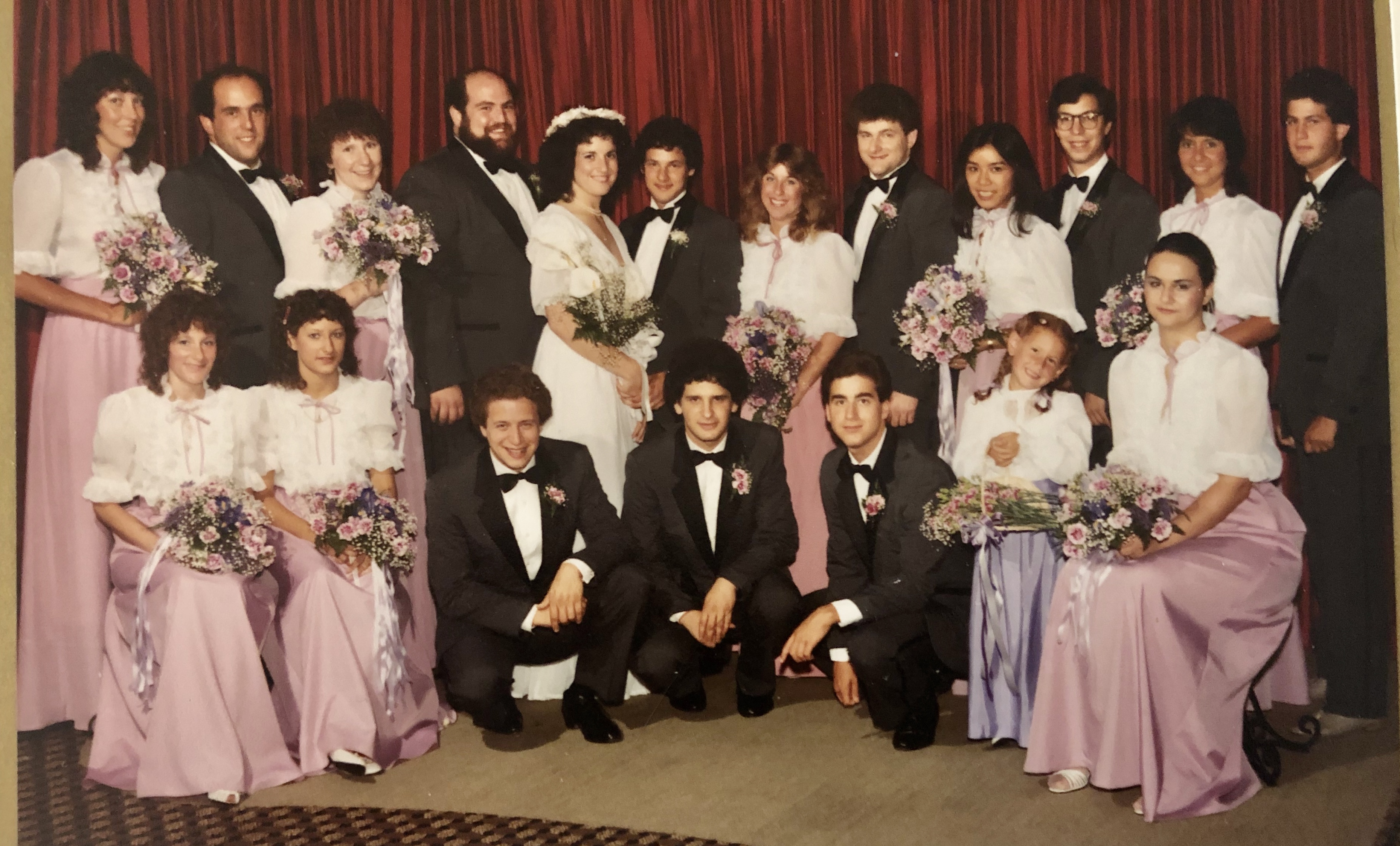
    Choosing bridesmaids and groomsmen was a bit complicated. We were balancing new friends and old, family and friends, and people who had already asked me to be part of theirs. Gary and I went big (see the photo below of the full group). We had eight women and eight men, and a flower girl. I had four friends and four sisters-in-law; Gary had his brother, my two brothers, two friends and three cousins.

    Deciding on a flower girl was simple. Rachel, my cousin who was five years old, was the perfect choice. She was friendly, smart and adorable, with red braids and a big smile. I knew she could carry out the serious responsibility of dropping petals as she walked down the aisle with great aplomb. And I was right!

    Choosing a dress for the bridesmaids was difficult. There were many different body types to consider. My four sisters-in-laws couldn’t have been more unalike. My brothers’ wives, Pam and Cindy were quite tall. Gary’s sisters, on the other hand, were quite short. It didn’t occur to me to let everyone pick their own. It was expected that they would wear the same outfit. My dress was very simple, I didn’t want their dresses to be too fancy. I was also living in Pittsburgh by this time and the bridal party was spread out, too. Coordinating shopping was tricky. Fortunately, people were agreeable to wearing pretty much whatever I picked, but my mother-in-law-to-be, Paula, had her own ideas.

    I didn’t know Paula well yet, though Gary and I had been together for three years at that point. I had spent many an hour sitting at her kitchen table talking, but she was a private person. She was perfectly nice to me (offering tea with a shot of brandy when I had a sore throat), but there was a coolness. I sensed she didn’t fully trust me. I believed she didn’t think I was Jewish enough (I probably wasn’t given my ignorance of ritual, and the fact that I didn’t read Hebrew). I felt her keeping me at a distance.

    I knew Paula was a Holocaust survivor and that she was a child when the Germans invaded her town, but I didn’t know her story in any detail. I knew she was an overprotective mother from stories Gary shared with me. I knew she was fearful – she would wait up all hours until her children came through the front door, even when they were adults, home for a visit. She also would not drive on the highway, so she made her way around Queens and Long Island using the streets. She navigated those streets with a great sense of direction, she also directed her husband, David, when he drove. I knew she kept a spotless home, cooked all the family’s meals, was an expert shopper (she knew the prices of items at various supermarkets) and could squeeze every bit of value out of things (she would re-use a tea bag over and over again, the same with a Brillo pad which she would tear in half before using it, she also altered and mended clothing). I was impressed with her skills and competence. Her strengths as a mother and homemaker didn’t overlap very much with my own mother. Paula was very precise; good with numbers and loved math. My mother was probably dyslexic when it came to numbers and precise wouldn’t be a word that would be used to describe her. My mom wasn’t a worrier. She worked full-time outside the home as a reading teacher, she was an excellent cook, she took pleasure in making sure family and friends were well-fed; and, we had someone come in to clean the house every other week. It was hard for Paula to trust someone in her house. My Mom didn’t like to shop and was far more interested in books, movies and theater than homemaking. Paula’s style of parenting was foreign to me.

    I also didn’t realize that Paula’s perfectionistic streak would impact shopping for the bridesmaids’ dresses.

    We settled on a date when enough of us would be available to shop for the dresses. I flew in from Pittsburgh one weekend. Dad drove Mom and I to Rosedale and dropped us off. My mom, Paula, Gary’s two sisters and I set out with Paula driving. In preparation for our excursion, I had found a dress in a magazine that I liked and located the store that carried it. I thought we would go there, have Rochelle and Doreen try it on, and, assuming it was good, we would order it. Not so fast! I came to learn that Paula would never purchase something that quickly, but I didn’t know that yet. She needed to be satisfied that there wasn’t a better dress or better price somewhere else. This was one of those experiences that illustrated the differences between our two families.

    We spent the day going from store to store and eventually made it to the shop that had the dress I picked out. It was a gown in two pieces: a blouse with a ruffle down the front and a long skirt. The blouse was white with a short sleeve. We could pick the color of the skirt. I wanted mauve – pink, with a hint of purple. There was a thin ribbon at the neck that matched the color of the skirt. Doreen and Rochelle tried it on – I thought they looked great and they seemed fine with it. I was sure it wasn’t something they would have picked for themselves, but they didn’t show strong negative feelings. I thought it would work with my gown, would be flattering for all the bridesmaids and it had the overall feeling I wanted.

    Paula didn’t seem all that happy with the choice. She wasn’t convinced. Despite that, we left the shop with what I thought was an agreement that they would go back another day and order it. I would share the information with the others who weren’t with us and we would move forward.

    We got back into the car and went to the Bakst home in Rosedale. Everyone was tired, but we were in good spirits. My Dad would come from Canarsie to pick Mom and I up. I was exhausted but relieved to have gotten through it. We got to their house and went in the front door. David, my father-in-law-to-be, greeted us.

    “How did it go?” he asked cheerfully.

    “Fine,” I replied.

    “Yes, we looked at the dress Linda picked, but I think we should look some more,” said Paula. “There are some stores we didn’t get to. There may be better choices, dresses that would be more flattering.”

    I immediately burst into tears. All the stress, all the doubts I had about all my choices, poured out. My mother put her arm around me. The Baksts looked at me quizzically. David was flustered.

    “Come, sit down. Don’t cry. Let me get you a drink,” he said as he ushered me to the couch. He busied himself pouring me a small glass of Cherry Heering.

    I took a sip of the sweet liquor and tried to compose myself while everyone looked on uncomfortably. I managed to say, “I thought we agreed on the dress. I have to go back to Pittsburgh tomorrow. There won’t be time to shop again.”

    “Don’t worry, Linda,” said David.

    “It couldn’t hurt to look a little more,” said Paula. “Maybe we’ll find something that you’ll like better.”

    I didn’t know what to say. “You know my dress isn’t fancy,” I reminded her.

    Mom was patting me, murmuring words of comfort. I took a deep breath.

    “Okay, I guess, you can look. But, if you don’t find something soon, we need to order the dresses. Right?”

    Paula nodded in agreement.

    “See,” said David triumphantly, “we can work things out.”

    I was embarrassed by my reaction. I didn’t understand that it wasn’t in Paula’s nature to make a decision that quickly. We did end up ordering the dress I picked. The experience illustrated the learning process involved in melding our two families. It took time for me to feel fully embraced as a family member by Paula. But, once I was, her loyalty and support were ever-present.

    Paula spoke an accented English, and her formal education ended much too early because of the war (I wrote about Paula’s Holocaust survival in a series of blog posts between August and October of 2018). She was self-conscious about her accent and thought her command of the language wasn’t strong. I told her many times that she spoke as well as any native-born American, she was quite articulate in sharing her insights or telling a story. Plus, she could speak at least four or five languages fluently, while I only knew one. It was always clear to me that she was highly intelligent, but I don’t know if she knew that. I was American-born, both of my parents were too, they had master’s degrees and were teachers. She respected that, but it may have intimidated her, too. It took time for us to understand each other. Providing her with grandchildren definitely helped.
    16BA027E-18EF-47D5-9D23-2939873E1F4E_1_201_a

    Postscript:

    I shared this story with Gary and his sisters before posting it. I wanted to get their take on the events described, especially since it involved them. All three acknowledged that they respected my perspective, that it was my memory and prerogative to post it (I appreciate that they expressed that sentiment). Each had a slightly different view of it, though, and I want to relate what I heard. I think it is important to recognize the difficulty in reconstructing an experience from 38 years ago and to understand that we may assign different meaning to the same event.

    Gary thought my portrayal of Paula, his mother, wasn’t very generous. In response to that I added more about Paula to give context. The version you read above includes that addition. But the truth is I didn’t feel very generous at the time. That’s part of the point. I didn’t understand where she was coming from.

    Doreen didn’t recall going to different shops. Her memory was that we went to the one that had the dress, that they tried it on, and she was under the impression that the choice had been made. She didn’t recall being present for my breaking down in tears. She also had a feeling that my father was somehow involved and that it was distressing to her mom (Paula).

    Rochelle didn’t remember the particulars but also recalled that my father was involved and that it had been upsetting to her mom.

    Hearing what they remembered was really interesting. It is entirely possible that we only went to the one shop. I may have been exhausted and stressed out from travel and decision-making and imagined that we must have shopped for whole the day. It is also quite possible that Rochelle and Doreen were not in the living room when I started crying. They may have left to do other things – I don’t recall them reacting one way or another at the time so it may be that they were not present.

    The memory of my father being involved is the piece that is most perplexing. I am thinking that when he came to pick us up, if indeed that is what he did, and he saw that I had been upset, his protective paternal instincts may have kicked in. I now believe, knowing my Dad, that after I left to go back to Pittsburgh, he called Paula and asked her to accept my choice. I knew nothing about that (or more accurately, I remember nothing about that) – I am surmising based on what I know of my father and that the issue just went away (as far as I knew) – all the bridesmaids ordered the dress I picked out.

    Unfortunately, we cannot ask Paula or my father. I did ask my mother. She remembered the day, and my tears. She could not confirm whether Dad had called Paula after the fact, but she thought it was plausible. She also commented that if that was the worst of the disagreements we had during the planning of the wedding, we did pretty well.

    There you have it. Is this an example of the ‘stories I tell myself’? Is it worth sharing these stories so I can process the memories and reality test it, or does it just make things messy? I am still pondering those questions. My motivation in sharing them is that it provides family history to my children and in examining my experiences, and sharing it with the public, it might resonate with others. It might spark insight or a sense of being less alone. That is my intention.


  • My daughter is getting married. This is a joyous time for our family, but as anyone who has planned a wedding knows, it is also stressful. So many decisions to make, so many people to please, so many opinions and so many preconceived ideas – how could it not be fraught? And, it brings back memories of my own wedding.

    It was 1982 – an eventful year I have chronicled on this blog (here). Before Gary left for medical school in Pittsburgh, we wanted to get a few of the wedding essentials nailed down. We started by thinking about a venue. I had visions of a ceremony outside on a lush hillside, the sun shining down on us, a gentle breeze carrying the scent of my bouquet. We’d be dressed in relatively informal attire. Maybe I wouldn’t even wear a gown. That was my fantasy; I was introduced to reality quickly.

    If we were going to be married by a rabbi and have a wedding in the sunshine, we would have to do it on a Sunday. A rabbi would need to wait for Sabbath (Saturday) to end before performing the ceremony. We both had large families with many coming from out of town, Sunday would be inconvenient.

    We both wanted the ceremony to be officiated by a rabbi – I doubt Gary would have considered another option. In my ignorance, I did not realize that we would need to wait until after sunset to walk down the aisle on Saturday. Maybe we could have found a Reform rabbi who could conduct the ceremony earlier in the evening, but that was not going to fly with Gary’s family. It seemed to be the consensus of our families that the wedding should be on a Saturday night.

    With Gary starting medical school that fall, we began planning for the following summer, the summer of 1983. Sunset was quite late. I learned that we couldn’t gather our guests until 9:30 pm!! Not only would it not be an afternoon wedding, it would be after midnight before Gary and I finally said our vows!

    My education in wedding matters continued as we visited venues. We liked Terrace on the Park, which was located on the grounds of the old World’s Fair in Queens. The ballroom was at the top of a tower, high above Flushing Meadows Park. It had great views. It didn’t serve kosher food. This was the next lesson in my learning process. My family would be fine with that, but the Bakst family needed it to be certified kosher. I had never heard of a mashgiach before, but I learned that we needed to hire one to oversee all the food preparation to ensure that the rules of kashruth were observed.

    Our venue options were getting narrower – we looked at a couple of synagogues that had large social halls. Each one offered a unique feature. It seemed that showcasing the bride in some way was part of their shpiel. For example, one salesperson enthusiastically described how they had a pedestal on which the bride could stand while it rotated – the audience could appreciate her beauty from every angle. I shook my head in disbelief – I had no desire to pose like a cake topper.

    Eventually we visited the Seaview Jewish Center, where the salesperson made his pitch for my dramatic entrance. They had a curtain behind which the bride would wait before walking down the aisle, her body lit in silhouette so guests could anticipate with bated breath the reveal. I told him that I was not interested. Once we got past that, the venue offered a number of advantages. It was kosher, conveniently located in Canarsie, not far from my house, the ceremony and reception would be in the same building, and they presented a reasonably priced package deal. It even included a band. Sign us up! My parents put down a deposit and we had a date – June 11, 1983

    The next wrinkle came when Gary got to medical school and found out his semester didn’t end until June 30th. Uh-oh! After a brief spasm of panic, I called the Seaview Jewish Center, and, to our great relief, July 30th was still available. We made the switch.

    Our planning continued. Now I needed to look for a dress. At that stage of my life, I was as fit  as I had ever been. I could sometimes get into a size ten, though 12s were more reliable. Mom and I went into the city to the famous bridal building. This was a place in the garment district in Manhattan where designers had their showrooms. For a limited time on the weekend, they would open their doors to shoppers. You could try on samples and order a dress at greatly reduced prices. Everyone talked about what a great deal it was for a high-quality gown.

    I was nervous about trying on dresses, of course. I had trouble imagining myself as a bride. I perused the magazines, looking at the styles, the hair-dos, and none of it looked like me. The dresses I saw were flouncy and tiered, with a lot of lace – more fitting for a Southern belle than a Brooklyn tomboy. But, Mom and I had heard so much about the bridal building, and we didn’t know of many alternatives, so off we went.

    We arrived at 1385 Broadway, to what looked like a standard-issue office building. We checked the directory in the lobby and picked a few places to visit. We went to three or four showrooms on different floors – each with the same result. The largest sample size they offered was a six. I couldn’t even get my arms into it, much less the rest of my body! One of the salesgirls suggested that I hold it up in front of me to see if I liked it. One place had a dress in a size 20 that I could actually put on. It looked like a giant white tablecloth. I wanted to cry.

    Needless to say, our outing was a disaster. We gave up. I don’t know who felt worse, Mom or me. Mom said we would find a dress somewhere else. We got on the subway and went back to Canarsie, my worst ideas about my body confirmed. Even though I was in the best shape of my life, I still couldn’t try on a dress.

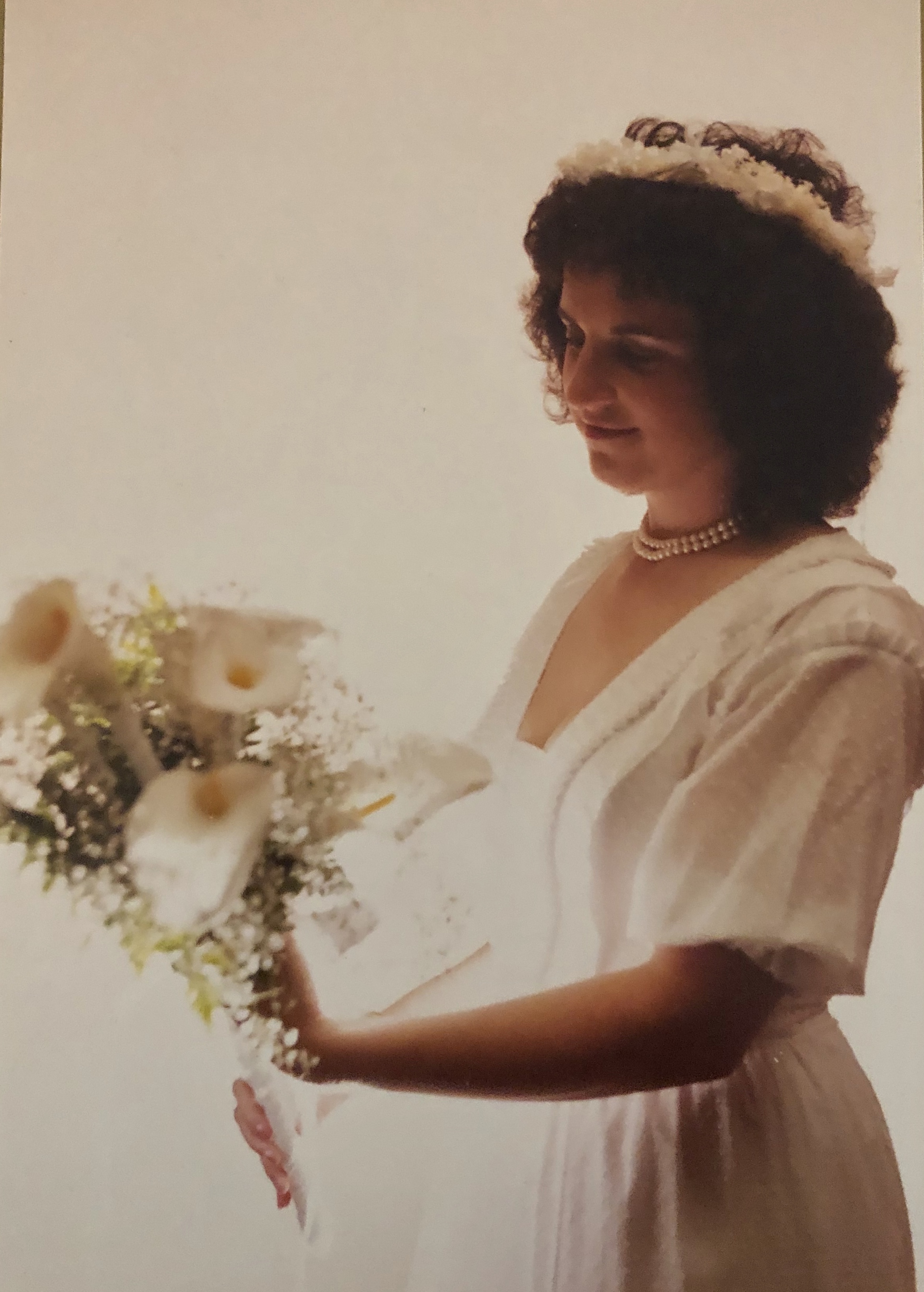
    Mom asked around and learned that Laura Ashley, a designer who made dresses more my style, had a line of wedding gowns. The following weekend Dad drove us to the shop in Manhattan. I had never gone into a clothing store on Madison Avenue. I was doubtful as I climbed the stairs. Alas, we hit pay dirt! There, in the lovely store that smelled like lavender, on the sales rack (!) was a dress, just my style and just my size. It was a simple white cotton Swiss polka dot gown with a v-neck, short sleeves, fitted to the waist. It had minimal frills, no train, just touches of ruffle on the bodice and sleeve. It was as if it was made just for me and it was only a little over $100 (about $260 today). What a relief!

    1628EE80-242E-4DA8-9952-4A344FCC3825_1_201_a

    There were other hiccups in the rest of the planning process, but I had some nice surprises, too. I loved our invitations. We picked a heavyweight white paper with cranberry colored ink. The envelope was cranberry with white lining. Mom and I took an adult ed calligraphy class at South Shore High School specifically so I could address the envelopes. I took to calligraphy. I was able to reproduce the pen strokes that the teacher demonstrated. It was a great project for me.

    In a way planning a wedding is a test of the relationship. Can you disagree in a constructive way and come to a resolution? Can both parties compromise? Do you share the same values? The answer for us was yes. I communicated this thought to Leah as she and Ben began their journey. They are off to a great start!

    One final observation: Based on my experience shopping for a mother-of-the-groom dress several years ago, and going with Leah for her dress more recently, I believe stores offer a wider range of sample sizes. Hopefully no one has to repeat my experience at the bridal building!

  • Note: I haven’t had time to write recently. Life has gotten in the way. I am hoping things will settle down this week and I can get back to it. In the meanwhile, since I plan to return to this topic, I am reposting an essay from two years ago.

    lindabrodybakst's avatarStories I Tell Myself

    Changes were afoot in 1982. It was a big year for the Brody family. Joshua, the first grandchild, born to my brother and sister-in-law, Mark and Pam, arrived February 1st. In April Uncle Terry and Aunt Barbara moved from the upstairs apartment in Canarsie to a large suburban house in Morganville, New Jersey. My parents had their first non-family tenants take their place. I began my job search, as I was in the last semester of my master’s program at Columbia. Gary was waiting to hear about medical school admissions, he was wait-listed at Pittsburgh and Downstate (in Brooklyn).  It was a time of excitement and anxiety.

    In the midst of this, and maybe because of it, my parents started looking for a second home. I think my father thought that, since they would truly be empty nesters for the first time, my mom needed a distraction. Financially…

    View original post 1,324 more words

  • Note: Some of the material in this blog appeared in a previous post, but I have added content, edited it and, hopefully those who have been reading all along will find it compelling. For newer readers, I hope you enjoy. This is part of a series of pieces I have written about searching for my identity as an adolescent.

    Of course, being Jewish was only one part of me. Being a girl presented its own challenges. The Women’s Liberation Movement was just beginning and was quite controversial. On television women were burning their bras outside the Miss America Pageant, at the same time I watched Barbara Eden as Jeannie, in her skimpy harem costume, flirting with Tony the astronaut. She actually called him ‘Master!” Something I didn’t even notice at the time. I wanted to be Barbara Eden. It was confusing.

    I wanted to behave like a boy: playing and talking sports. I watched football, basketball, and baseball games with my brothers and uncles. On occasion they let me play touch football with them. I kept the scorecard at their softball games. Title IX was enacted as I was arriving in high school – a bit too late for me.

    I wanted to be petite, with long straight hair.  Instead I was built like a peasant; stocky and sturdy, with wiry curly hair. Girls were supposed to be demure and defer to males. I had strong opinions about things. My opinions flew out of my mouth before I could edit them. I wanted to please people which didn’t mesh too well with my headstrong ideas. My impulses were pulling me in opposite directions. It felt like a war inside.

    I was full of contradictions. I wasn’t interested in clothes or make-up, but I wanted to look stylish and attractive. I had neither the patience nor the desire to read fashion magazines or talk to other girls about that stuff. I struggled with two competing thoughts: it is important to be attractive (and the only way to get a guy); it is shallow to want to be attractive. In my heart I didn’t believe I could be pretty, and it was easier to dismiss it as uninteresting than to try and fail or be laughed at for the unsuccessful effort.

    I knew that girls were supposed to have Barbie-like figures. Even when I was old enough to realize that the Barbie standard was ridiculous, I wasn’t able to make peace with my body.

    It didn’t help that I had several experiences being mistaken for a boy. One time was particularly awkward. I was 11 or 12, but well into puberty, and I was in Star Value City, the five and dime in the shopping center near my house. I had been sent by my mom to buy sanitary napkins. I hated being sent on that particular errand. In those days, boxes of sanitary napkins were the size of a large microwave oven. There was no way to disguise the package – they didn’t make a bag big enough to cover it. It was so embarrassing – I thought everyone would see the monster box of Kotex and think they were for me. I don’t know why that possibility was so humiliating, but it was.

    I wandered the aisles, gathering the courage to go the feminine products section, when a girl who looked a little older than me approached and smiled. She said, “You’re cute,” in a flirty way. I was attired in my usual uniform: jeans, sneakers and an oversize sweatshirt. I was totally taken aback. I didn’t know how to respond. I couldn’t bring myself to say, “You know, I’m a girl.” Or anything else for that matter. I was speechless. I just tried to move on. She was persistent and followed me, commenting on my curls and freckles. I was dying. Eventually she got the idea that I wasn’t going to speak, and she left me alone. And, then I had to go buy the sanitary napkins and walk home with them!

    I imagine that other girls got mistaken for boys and vice versa, but I couldn’t handle it. For me it played into my worst feelings about myself. I couldn’t talk to anyone about it either, it was just too embarrassing.

    This was the source of another deep ambivalence. On the one hand I understood that the substance of a person is far more important than their looks. I knew friendships were based on laughter, shared interests and kindness, not appearances. Yet, I weighed my looks heavily when I took stock of myself.

    I would assess myself – I got these qualities from my mom (my smile and large rib cage) and other qualities from my dad (short legs and strong opinions) – both physical characteristics and personality traits. My Mom and Dad were so different from each other but they were each part of me. My Dad was a manly man – decisive, logical, authoritative, short-tempered, athletic, and strong. I thought I was a lot like him. My mom wasn’t exactly a girly-girl, but she certainly put on make-up every day when she was getting ready for work. She appeared to defer to my father on most subjects. Mom was intuitive; she didn’t think in logical steps (at least not a logic I recognized). She was also preoccupied with physical appearances and commented on that all the time– my eyebrows were a regular source of concern.

    The mix of personalities worked for them in their marriage, they complemented each other, but those characteristics didn’t coexist easily in me. I wanted to be decisive and passive at the same time! I simultaneously cared deeply about how I looked and thought it was a shallow conceit. Trying to integrate the competing aspects of myself made for a very confusing journey to womanhood.

    My journey did include one successful rebellion against stereotypes. As I became more conscious of the Women’s Liberation movement, I brought it home. After years of feeling that there was an uneven distribution of chores in our house, I exercised my decisiveness when I was in sixth grade – I complained….loudly. My brothers didn’t have to do the dishes after dinner, I did them. It seemed to me their only chores were to take out the garbage, sweep the driveway and mow the lawn. Given that our lawn was the size of a postage stamp, it didn’t require much effort. And there were two of them, and only one of me! Their tasks weren’t required on a daily basis. I made my case to Mom and Dad. Lo and behold, much to my brothers’ dismay, I was successful. Mark made a huge deal about putting his hands in the dirty dishwater, but his argument held no sway. Poor boy! I was only sorry I hadn’t thought to make my case sooner!

    fullsizeoutput_281
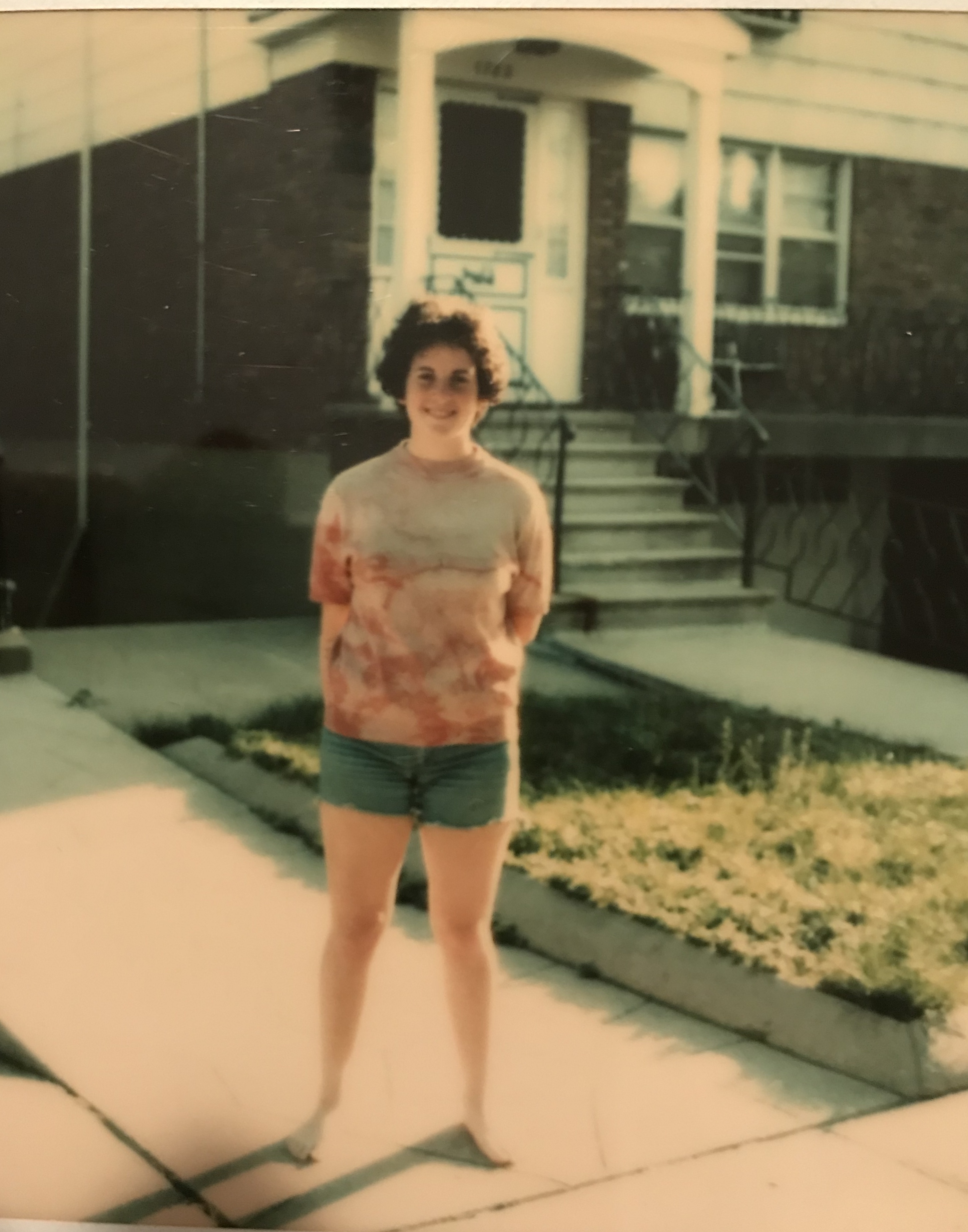
    Me – at the age I staged my rebellion. Notice the huge lawn that needed attention!


  • I recently read The Education of an Idealist by Samantha Power. To remind you, she was U.N. ambassador representing the United States during Obama’s second term as President. Prior to that she worked in his administration on the National Security Council. Hers is an interesting story. She was born in Ireland and lived there until her mother, unable to access a divorce in Ireland, took her two children and immigrated to America. Power’s and her mother’s journey is worth reading about. Not surprisingly, the issues raised in the book have spurred questions for me.

    Some observations after reading the book:

    It seems that immigrants have a clearer understanding of this country’s founding principles than many native-born Americans. Samantha Power and her family are examples of that. Fiona Hill and Alexander Vindman, NSC officials who testified in the House impeachment hearing, are two more examples.

    Many of the events Power describes happened only four or five years ago, but I barely remember them. Or, more accurately, I remember the incident (for example, Assad gassing his own people in Syria or the killing of U.S. embassy staff in Benghazi) but have forgotten the specifics – if I ever knew them. It makes me wonder if it is information overload or a short attention span or not paying attention in the first place. Whatever the case, it is disturbing because how will we learn from these events if it all becomes an incomprehensible jumble swept under the rug.

    As a person who has grappled with the causes and lasting impacts of the Holocaust, I was surprised to learn that Power made a name for herself by researching and writing a book about genocides in history (‘A Problem from Hell’ America in the Age of Genocide).  I will look for it next time I’m at the library. She was a reporter covering Bosnia in the 1990s and viewed her role as bringing the war crimes there to light so that the world would respond. I have always appreciated the importance of journalists educating us about events in far flung places, but this renewed my understanding of how crucial the press is. They may get things wrong or not tell a complete story but having eyes and ears on the ground is essential.

    Reading about our conflicts with Russia, over its invasion of Ukraine and Assad’s actions in Syria, which Power had direct experience with at the U.N., brought into sharp relief the differences in values between our two countries. I studied Russian history (Soviet history at the time) when I was in college. I have some understanding of their single-minded concern with national security and their view of the world as an ‘us against them’ equation. They also have no legacy of democracy so when the Soviet Union crumbled it didn’t have a democratic tradition to call upon. Human rights never enter the equation for them. In the Russian scheme of things, what a country does in pursuit of its interests is not subject to any limitations – they don’t appear to apply a moral compass to the behavior of themselves or other nations. Power recounts her negotiations with Russia’s ambassador and those interactions illustrate very clearly that they are not our ally. We need to coexist with them, and we need to find opportunities to cooperate, but we cannot be confused about who they are. This reality makes Trump’s respect and affinity for Putin that much more frightening.

    Another point that is driven home in the book is the power of politics. According to Power’s narrative, much of our country’s government action or inaction in foreign affairs is driven by perceptions of opinions/support of Congress, which, in turn, is driven both by their polling of their constituents and the influence of special interests. For example, Power describes Obama’s failure to act when Assad crossed the ‘red line’ in using chemical weapons, as mostly a political calculation based on lack of Congressional support for an air strike and fears of long-term engagement. After reading her analysis, in which she supported a military strike, I came away thinking that this was a failure of leadership on Obama’s part, but I have a better understanding of the factors that led to his inaction.

    The notion of polling constituents or relying on phone calls/emails from constituents to gauge public opinion, raises a bunch of questions, some of which I thought quite a lot about when I was a school board member. The issues I faced were thankfully not life and death, but the fundamental question was the same: is my role as a representative to poll my constituents and vote accordingly; or is it to use my best judgment based on the information I have (which the public may not have) and apply my values to that data? Both paths are fraught. If I take the first approach, do I really know how my constituents feel? How many have I heard from and is it just the squeaky wheels? Do I poll on every issue, knowing that polling is not a perfect science?

    If I choose the second approach, using my judgment, then I may be limited by the information I have and those who have provided it likely have an agenda. In the case of Congress, a lot of the information they rely on is supplied by special interests.

    Whichever approach an elected official takes, representative democracy is flawed in some respects.

    In my school board service, I generally went with the second approach. We didn’t do polling at that time, and I would have had some issues with it if we did. For me, it comes down to information, facts, data, analysis. If I could pull from different perspectives and look at data, I thought my decision-making would be stronger than basing it on a poll. Ultimately, the community would have their say in the most important poll – the voting booth. If they didn’t like where I came down on the issues, they would vote me out. Of course, I wasn’t terribly concerned about being voted out of a volunteer position. The challenge of taking my approach, relying on the data and applying one’s values, is that these days no one can seem to agree on a common set of facts or data. To make matters worse, there are those who benefit from exploiting the cynicism about science/data. At some point, we need to evaluate the information to assess its credibility and then trust in something!

    So as not to leave you on a downer, I will share an example of the positive power of politics from the book. As Power describes the efforts to control and thwart the Ebola epidemic in West Africa a few years ago, the United States had the political will and resources to lead the way in addressing a terrifying public health emergency. This seemed to be a case where the data and science were believed, and political leaders overcame fear to do what needed to be done. One can only hope this problem-solving model can become the norm.

    If you are interested in recent political history, and want to consider how values fit into public policy, I recommend reading The Education of an Idealist by Samantha Power. By the way, I am not the only one recommending the book. It appeared on President Obama’s year-end list, too.


  • Note: The following post is written by Leah Bakst, my daughter. Thank you, Leah, for your thoughtful, interesting contribution.

    613B8133-5789-4BD1-B8D4-0F076EAE42D3

    I’m no expert on schizophrenia, but as I understand it there are two important categories of symptoms. Positive symptoms are things that are extra or added to the average experience. This could be something like hallucinations or delusions. Then there are negative symptoms – things that most people experience that can be absent in someone with schizophrenia. Like experiencing pleasure. Thankfully, most people have rich experiences of pleasure, but these feelings can be missing in people with schizophrenia.

    In the same way that there are positive and negative symptoms associated with particular disorders, I think we also understand our identities through both things we Do and things we Don’t Do compared to the average experience. I’ve been thinking a lot about this in the context of being Jewish at Christmastime.

    In my experience of Judaism, there are definitely things we do:

    • Eat bagels (with cream cheese and lox!)
    • Fast on Yom Kippur
    • Hold Seders on Passover
    • Light candles on Chanukah
    • Ask lots of questions
    • Gesticulate

    And many things we don’t do:

    • Eat milk and meat together
    • Eat shellfish or pig products
    • Eat leavened foods on Passover
    • Work on the Sabbath
    • Believe in Hell

    There’s a lot of food-related stuff.

    In my immediate family, there was one critical addition to the “Don’t Do” list: celebrate Christmas.

    We did not have a tree. We did not have lights. We didn’t sing Christmas carols. Obviously, we didn’t go to church. We didn’t watch Christmas movies (with the critical exception of Die Hard, which, yes, is a Christmas movie, fight me). We didn’t have stockings or ornaments. No eggnog, or Christmas cookies. (I did taste eggnog for the first time last year, and I finally get it. It’s delicious. And mixes oh-so-well with bourbon.)

    There were absolutely things we did do on Christmas. As the stereotype goes, we went to the movies where we saw many people we knew from our local synagogue. We also ate Chinese food. These were our own Christmas traditions and absolutely left me feeling like a part of my own special community.

    There were challenges though. In high school, I sang in a select choir that went caroling. It was by no means mandatory, but most of my friends would bundle up and go to the local shopping plaza to sing and make merry in the few days prior to Christmas. I couldn’t imagine purposefully missing an opportunity to make music and have fun with my friends, so I went. But there was a discomfort that tugged at me. This was something that We Didn’t Do. And if I define myself by not doing that thing – not being part of the community that carols – then what does it mean if I go right ahead and sing along?

    That wasn’t the first time I was presented with a challenging choice around Christmas music. In my public elementary school, we sang songs about Jesus in music class around the holidays. As a born participator, I decided that I would sing the songs only up until the lines that seemed religious. During those moments I stood silently, feeling out of place while my classmates sang with gusto around me, not knowing if the line I was walking was the right one.

    Later on, the studio where I took dance classes took part in a Christmas parade. As before, I couldn’t imagine missing out and I happily danced the parade route to Mariah belting “All I Want for Christmas is You.” That one didn’t bother me so much. And I appreciate my parents letting me find my way – they certainly didn’t tell me I couldn’t dance in a Christmas parade. I guess this wasn’t something We Didn’t Do, but it wasn’t exactly something We Did Do either.

    Now I’m older, and engaged to a non-Jew. My blond-haired, hazel-eyed sweetheart of Swedish descent, who formerly self-identified as a “Jesus freak.” Though he’s no longer particularly religious, he grew up very connected to the Protestant Christian faith and his family has many lovely Christmas traditions that they continue to keep.

    As we work to weave together our two lives and traditions, he has lovingly embraced my areligious Judaism. He lights Chanukah candles with me, has fasted on Yom Kippur, and enthusiastically supports my quest to host Passover Seders in our small apartment. He loves the questioning nature of the Jewish faith, and the outward emotionality and warmth of many Jewish people. He has managed to embrace a set of traditions, an ethnicity, an identity that isn’t his without feeling like he has lost or diluted himself. It is a shining example of being a partner.

    For some reason, it feels harder on my end. This is the second Christmas I have celebrated with his family. They are such wonderful people and have welcomed me so warmly. I feel unendingly lucky to be marrying into this loving, generous, and kind family.

    But.

    (There’s always a but, isn’t there.)

    Christmas feels uncomfortable.

    We gather in a house with a beautiful wreath on the door and single candles alight in each window. Late on Christmas Eve, we pile the presents under the tree, and set up the nativity scene on the mantle. Christmas morning we grab a cup of coffee and unwrap fabulous gifts. And only after the whole room seems fully blanketed in an array of colorful paper and ribbons, do we clean ourselves up for Christmas dinner with family friends.

    None of this is particularly religious. I’d even go so far as to say it’s quite fun! But a small voice within me continues incessantly: this Isn’t Something We Do.

    What do I do with that voice? That itchy feeling?

    And why is it so easy for my fiancé to bring new traditions into his ken, and so much harder for me.

    I know there’s an easy and obvious answer, but it isn’t really an answer at all. When he celebrates Chanukah or Yom Kippur or Passover with me, he is not at risk of being unwittingly assimilated into a dominant Jewish culture. There is literally no chance that if he’s not careful, there won’t be anyone who continues to celebrate Christmas or carry on the Christian tradition. After all, the American tradition is, by and large, a Christian one.

    It’s not the same for me. My family made it through the Holocaust by the skin of their teeth. In my particular branch of the family, there are four grandchildren. That’s it. Two boys, and two girls. If things go traditionally, that means only the boys are carrying on the family name, and it is all on their shoulders to keep that alive. What a terrible and strange burden. We survived all of that only to… just kind of get swallowed up by American life?

    And if part of how we define ourselves as Jews is by the things We Don’t Do, then will my children really be Jewish if they do those things? Is that the first step on a gradual slide into losing our Jewish identity?

    And whether or not that’s true, do these questions fundamentally insult the many people out there (family members of mine and otherwise) who consider themselves meaningfully half-Jewish? As if their connection to the religion and tradition does not pass some purity test because they also observe some Christian traditions?

    I’m really not sure where this leaves me. At the moment, I’ve been treating it all like a mosquito bite: the best remedy is not to scratch it and let it be, and trust that my body will eventually take care of itself. If I just let myself participate in these traditions, then maybe over time I’ll learn that I have not lost any of myself at all. In fact, I’ve gained a beautiful connection to my new family’s traditions. That would be a holiday movie-worthy ending.

    But for right now, I don’t have that certainty. I’m just doing my best not to scratch and trusting in the knowledge that my fiancé and I can figure it all out together.