Our country is so big, in both land area and population, that it’s easy to forget there is a whole wide world out there, filled with people, food, traditions, and history that differ from ours. The benefit of travel is that it reminds you of that. The lens through which you see the world and understand it is broadened – or at least it should be. In some cases, it makes you appreciate what you have here in the United States more, and in others, it makes you wonder whether others have a better way.
Some examples of that and some random observations:
In Spain, the workday starts later and is generally shorter than ours. Businesses, other than those that cater to tourists, may open at 10:00, pause from 1:00 to 3:00, and reopen until 5:00 or 6:00, at least that’s what our tour guide in Malaga told us. Their major meal of the day is lunch (this makes a great deal of sense to me), and they eat dinner quite late. It seems to be a more relaxed pace of life. While I don’t imagine us adopting that approach here, there is something to be said for it.
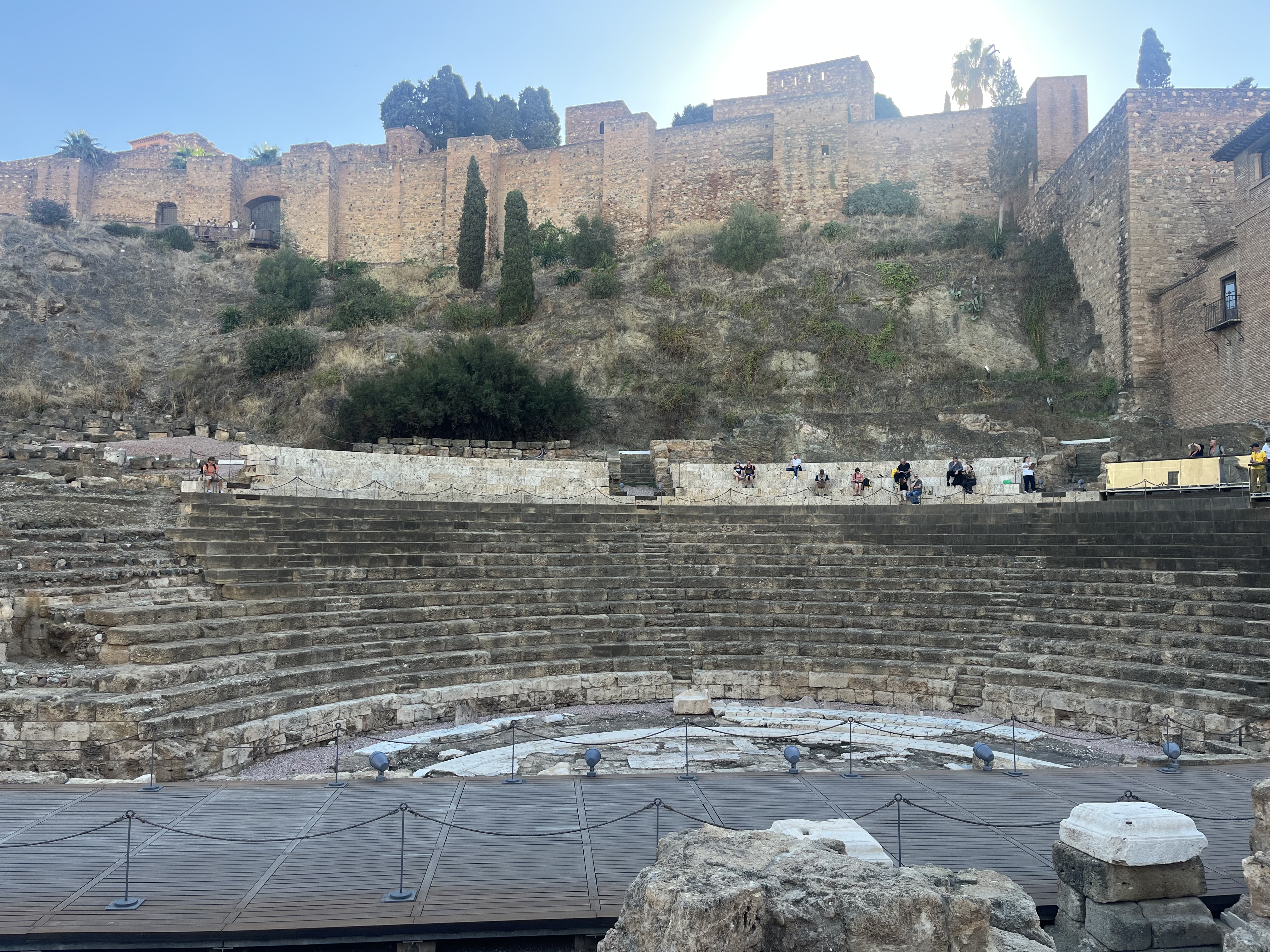
Scenes from Malaga, Spain:
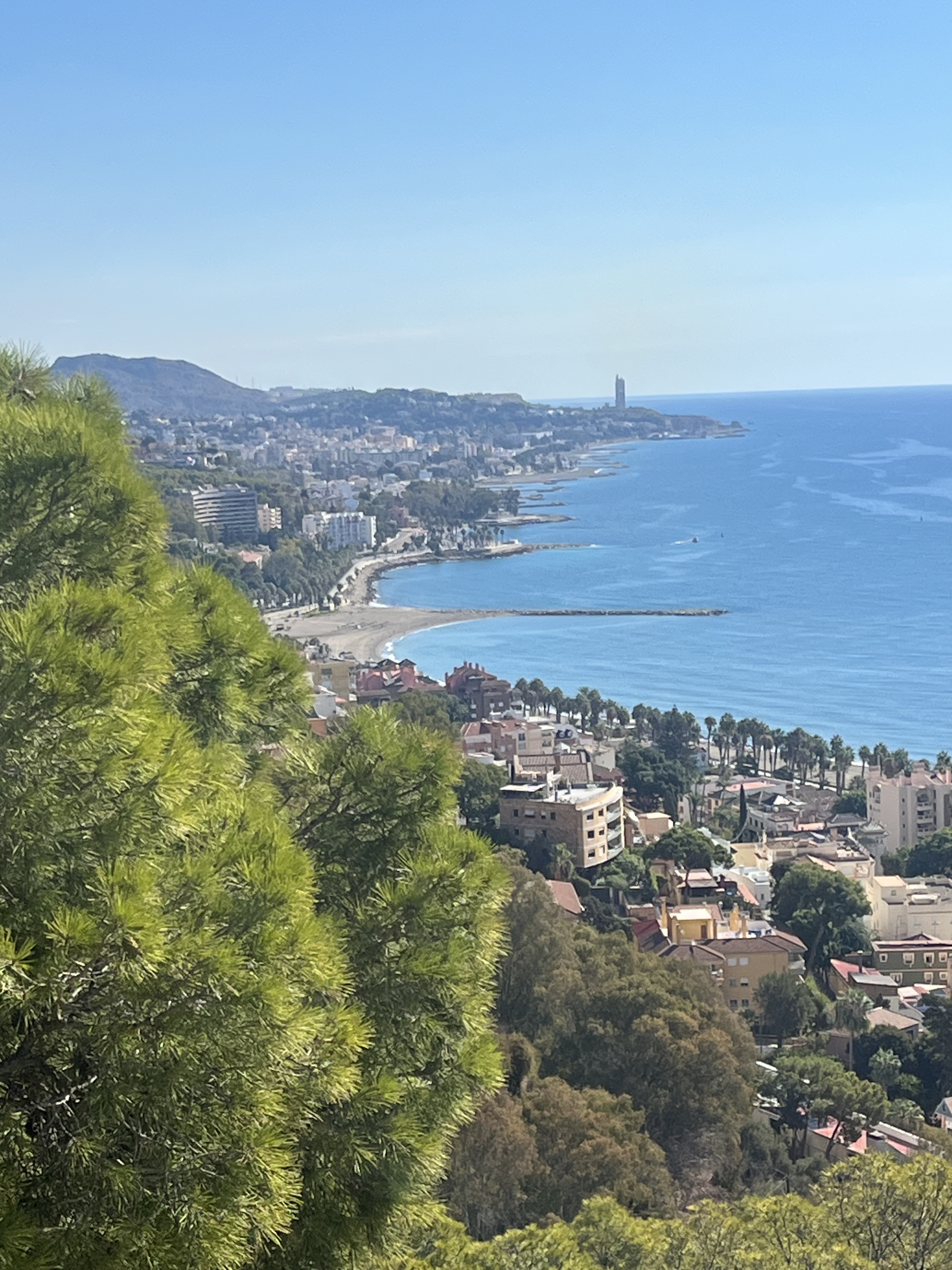
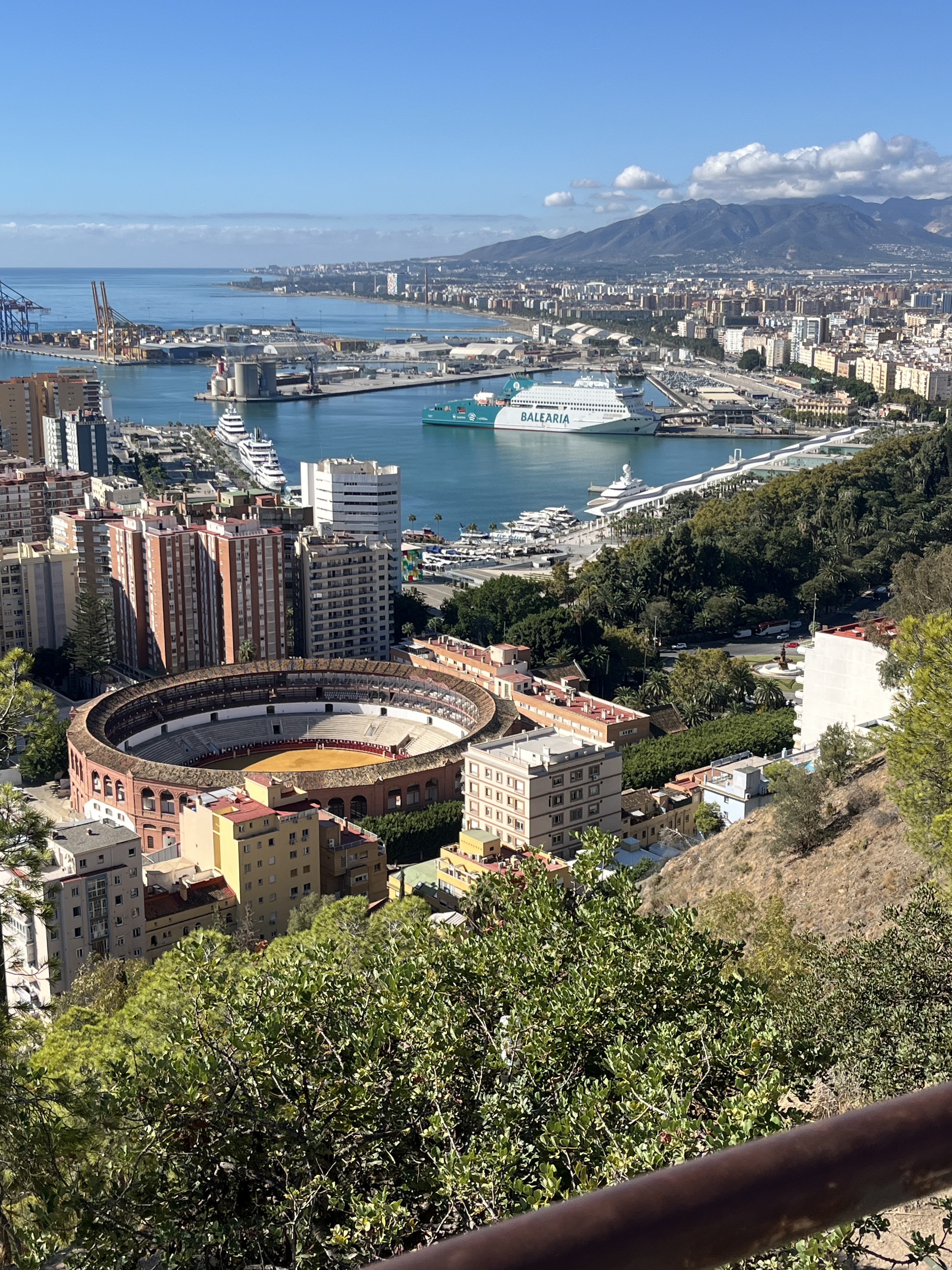
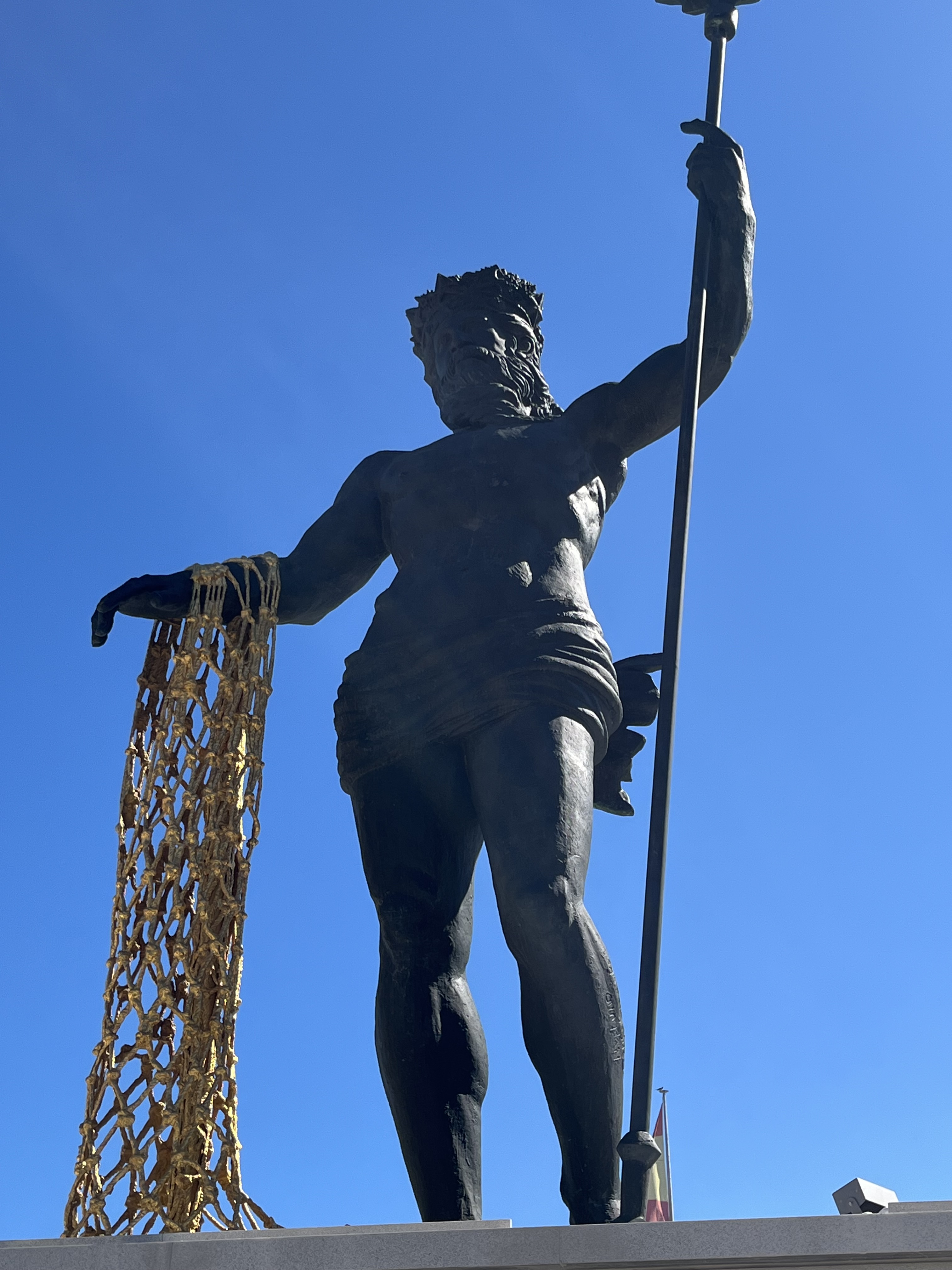
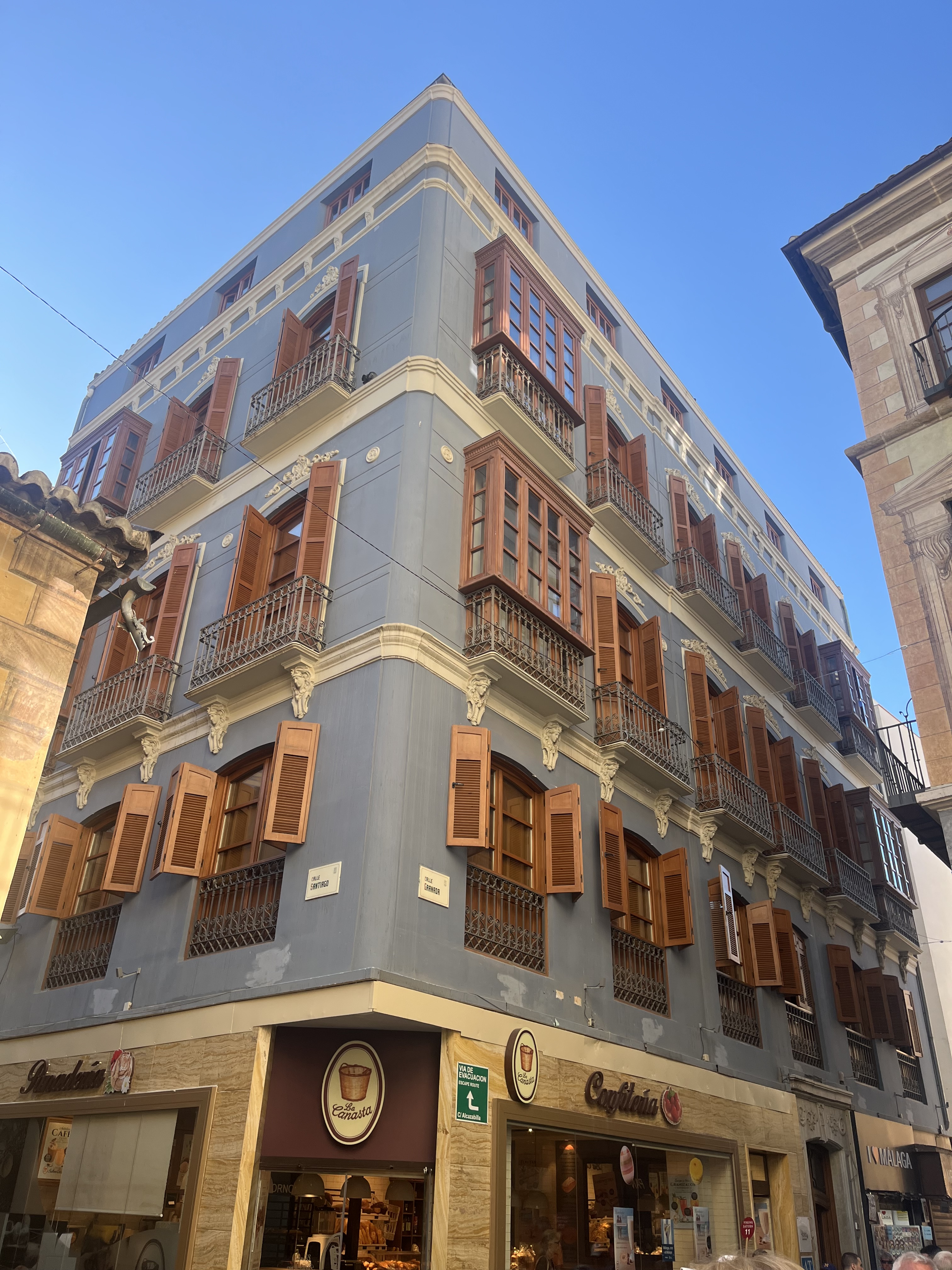
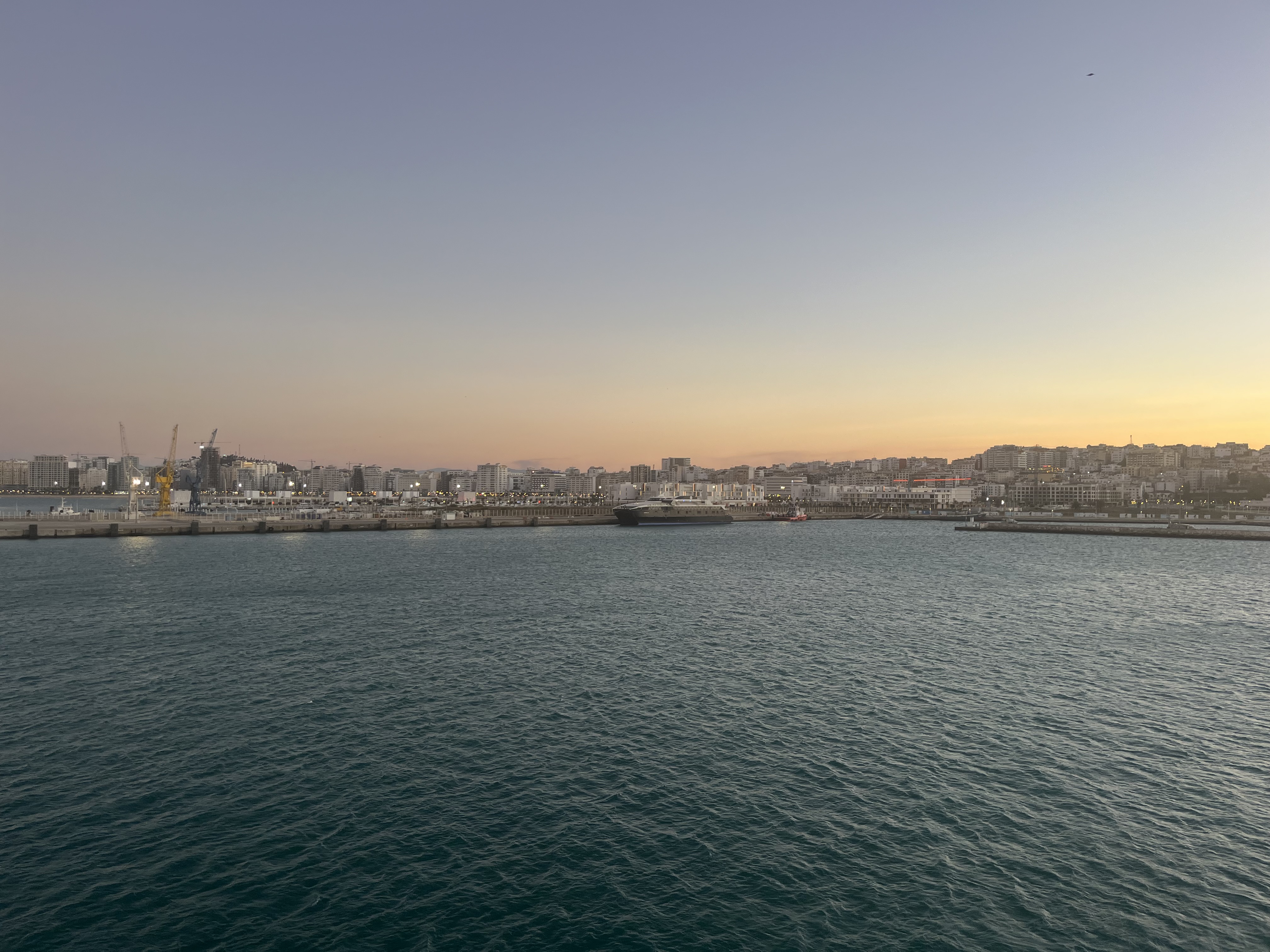
We particularly loved our visit to Morocco, though it was quite brief. The ship docked in Tangier. We took a bus ride, about 90 minutes, to another city, Chefchaouen. Though we didn’t see much of Tangier, only what we could see from the bus, it was much more cosmopolitan than I expected. I envisioned something like the old city of Jerusalem – narrow streets, small shops, etc. – and part of the city may include that – but I saw modern buildings and wide boulevards. It looked very developed and, according to our guide, it is quite international. It is considered the gateway to Africa. During our 90-minute ride, the guide gave us a concise but insightful history of his country. In an amusing aside, he introduced himself, saying his name was Mohammed, and the bus driver was also named Mohammed; thus, Mohammed I and Mohammed II. He joked that in Morocco most men were named Mohammed, and if not, then Mustafa. While we were touring, he greeted a man who was his uncle, whom he introduced as Mustafa.
He explained that he couldn’t tell us the percentage of Moroccans who are Muslim because the census doesn’t ask that question; everyone is welcome in his country. He also said that a person in Morocco might be homeless, but they would not go to bed hungry. That was an essential value, everyone must be fed.
Morocco is a kingdom with a history of colonization by many nations, including the Phoenicians, Berbers, Romans, Spanish, and Portuguese. In 1912, Spain and France established protectorates over the country, but designated Tangier as an international zone. Morocco became independent in 1956 after riots and revolts under Sultan Mohammed V. It has been relatively stable since then, though some of its borders are disputed. This explains the varied influences on Moroccan culture and how Tangier became an international city. It isn’t the largest city, by the way; Casablanca is. Rabat is the capital.
Enough about the history – if you are interested, there is always Wikipedia. The city that we took the bus ride to see, Chefchaouen, is known as the blue city. Its buildings are white and blue, and sometimes brown. The reason for the blue is disputed, but our guide suggested that the most likely explanation is that since they get about 300 days of sunshine each year, the blue helps to keep the buildings cooler (white is cooling, too, but with the reflection of the sun it would be blinding if the whole building was white). He also explained that only the lower half is blue because that is the height people could reach without getting on a ladder. They didn’t want to use ladders because, historically, they wore a djellaba (a long tunic-like dress with a hood) without undergarments. Today, they still wear djellabas; however, they do wear undergarments, but they retain the tradition of painting only as high as they can reach.
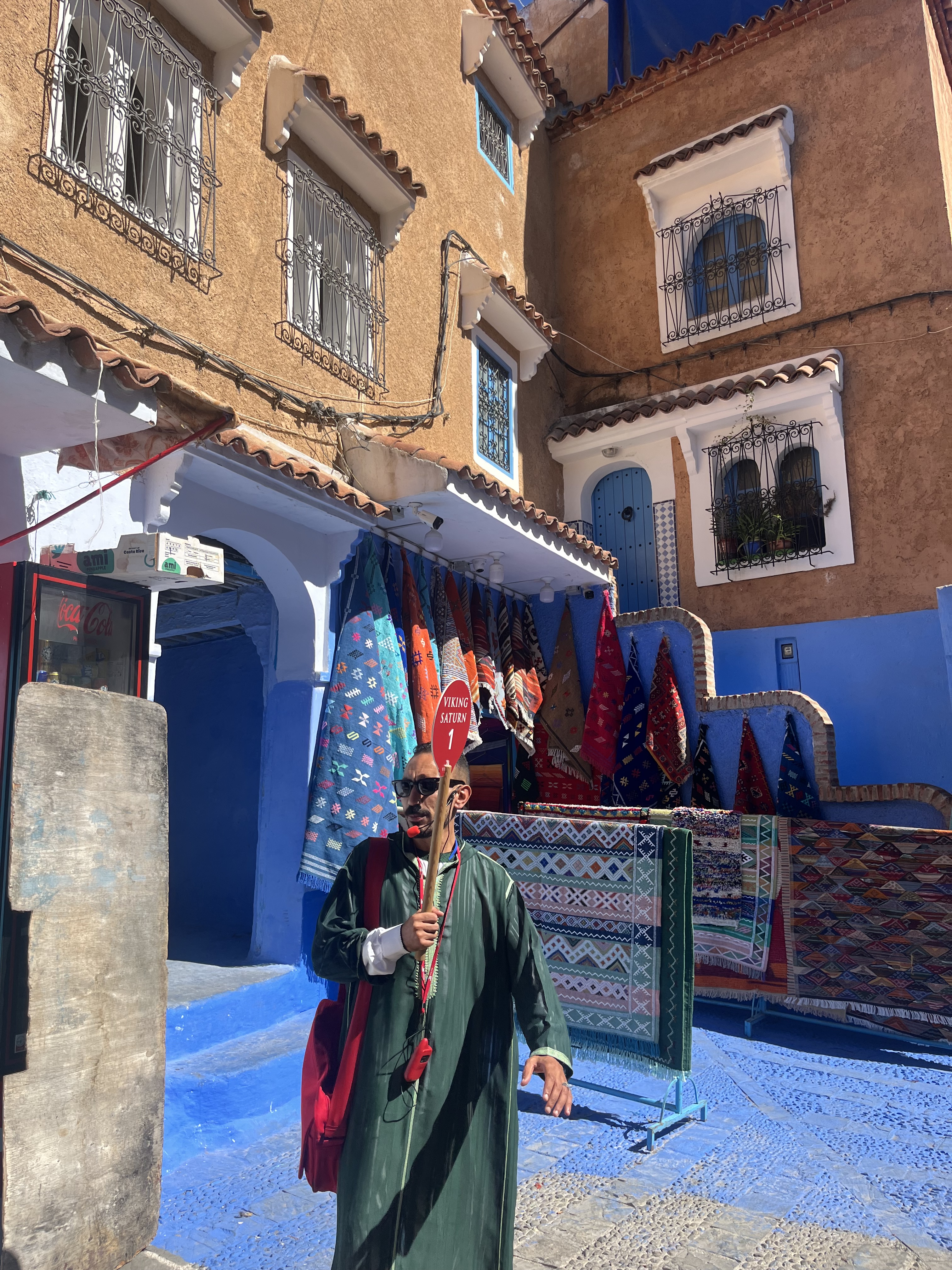
One tidbit our guide shared, having grown up in Chefchaouen, is that when he was a child, the blue was faint, a hint of blue, but since 2004, when a social media post went viral of a home painted a deeper blue, everyone started to make that change. The darker blue looked more dramatic. Social media is a powerful influence all over the globe.
Photos from Chefchaouen:
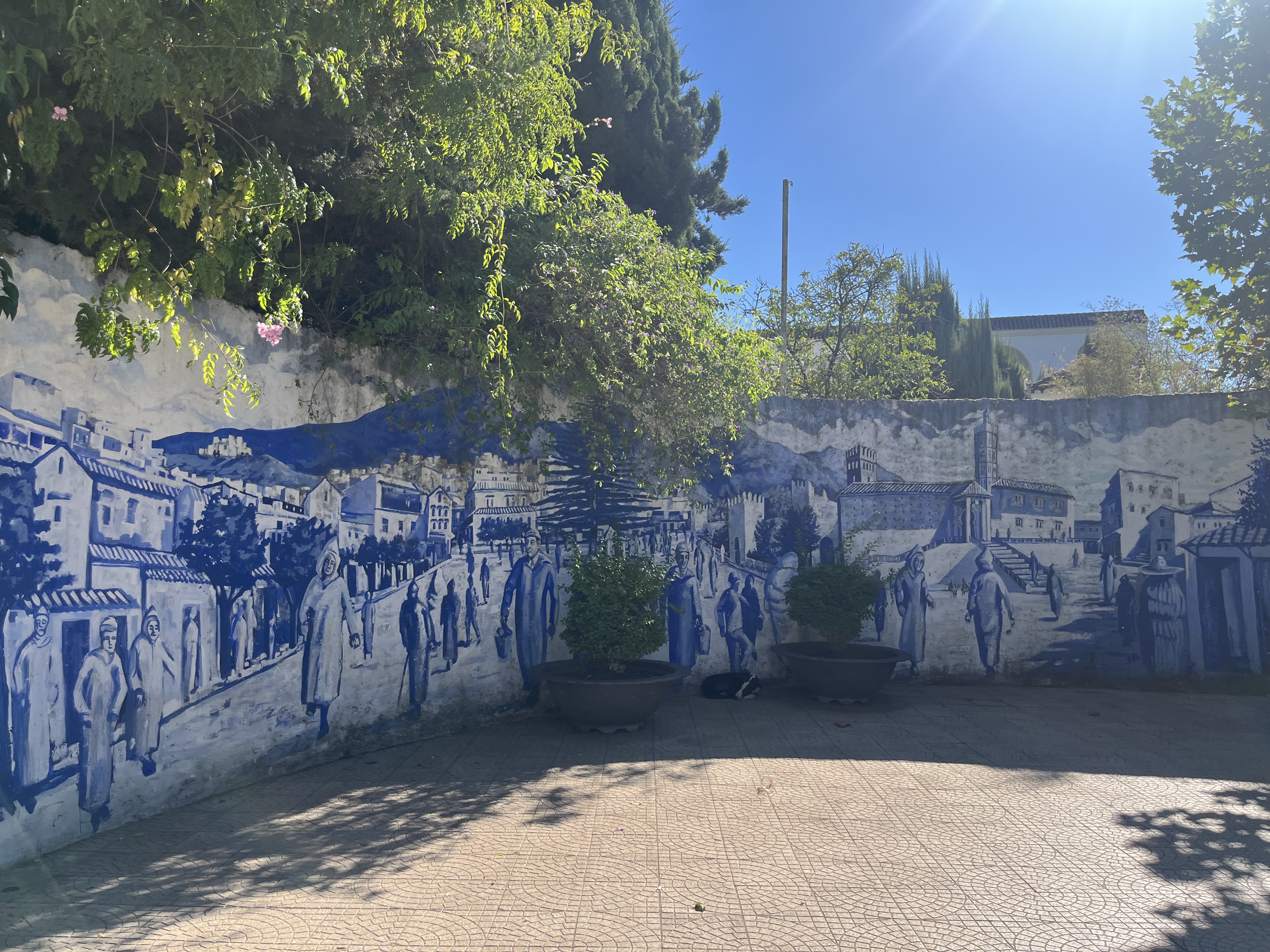
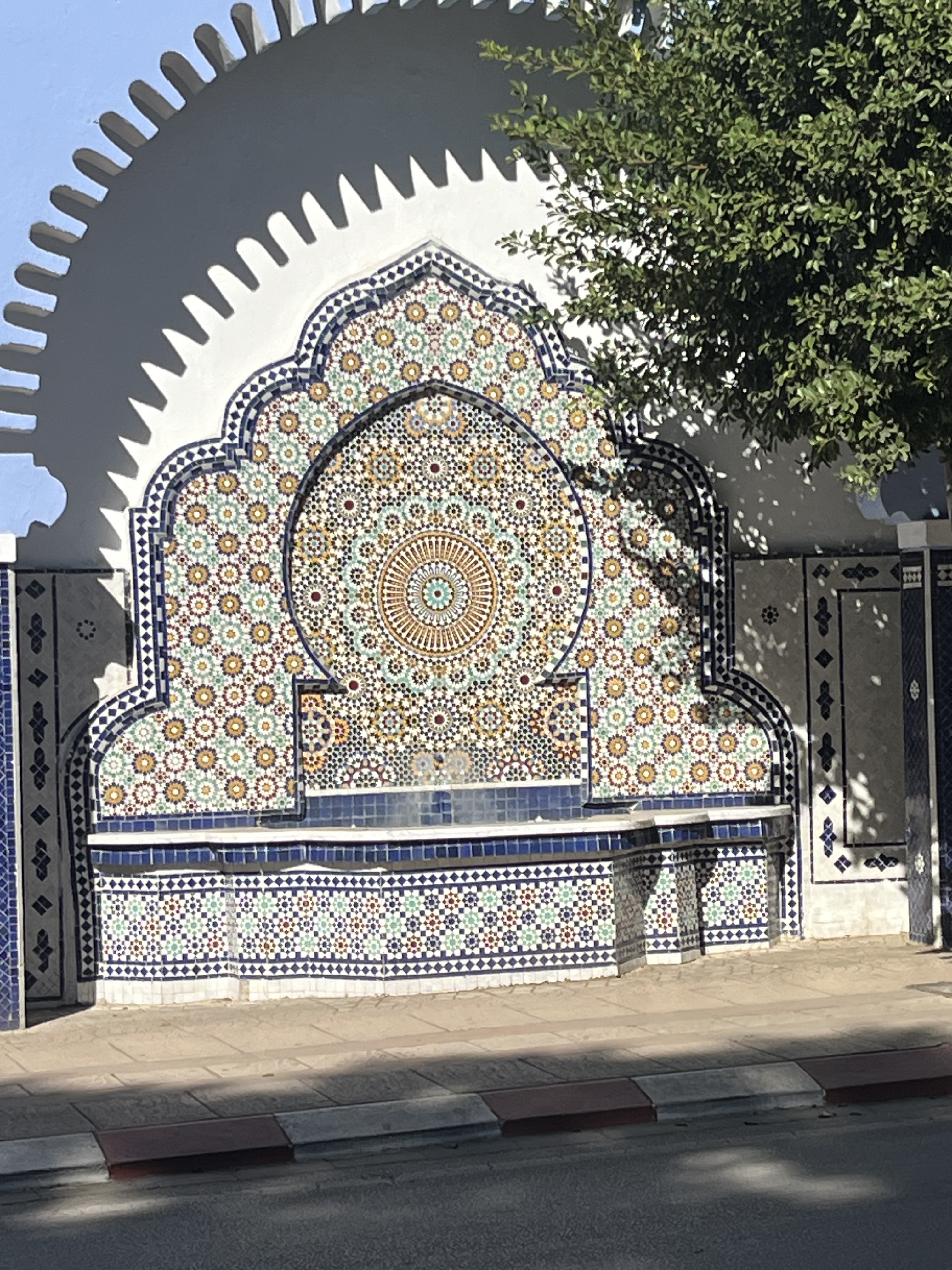
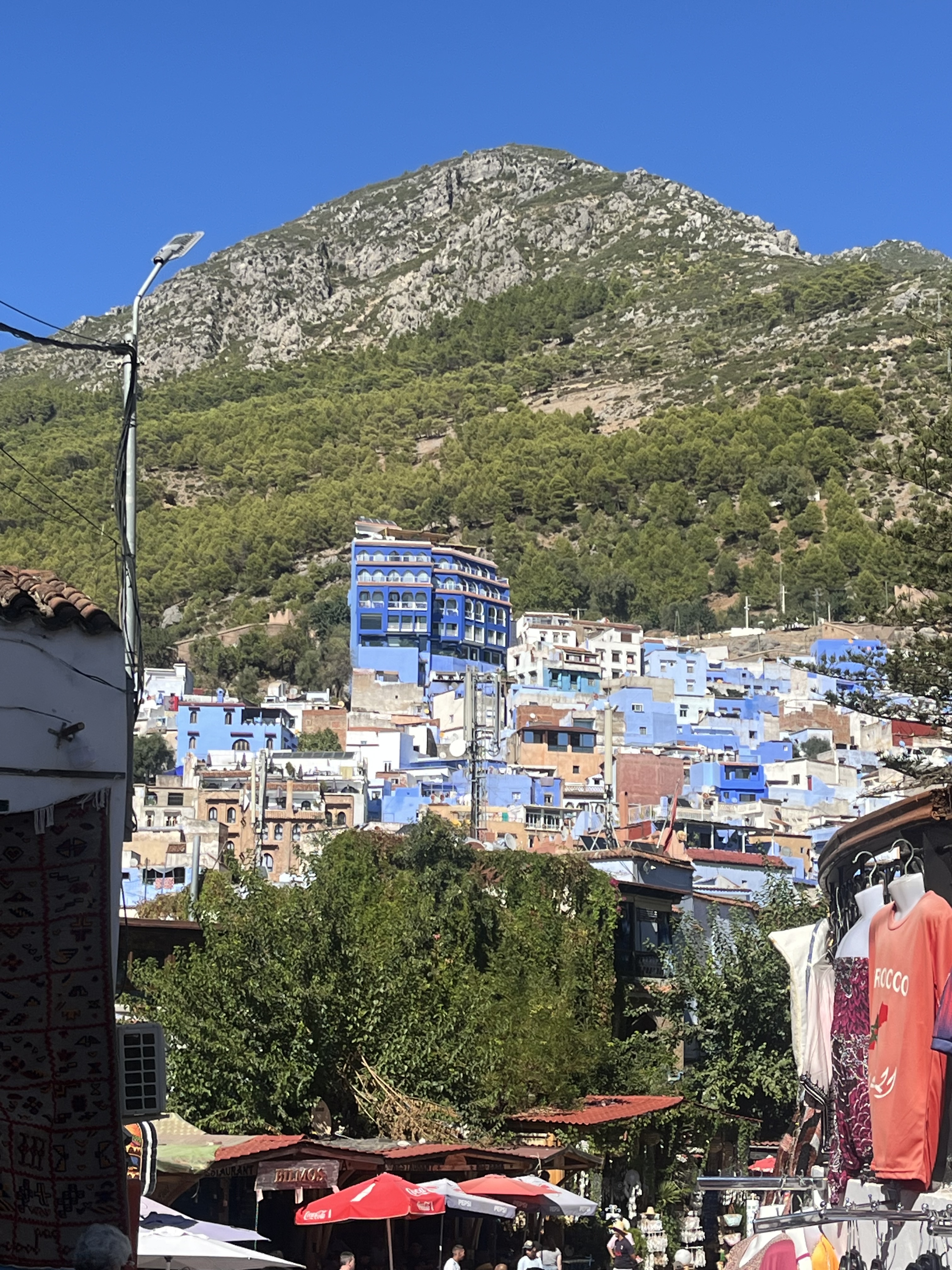
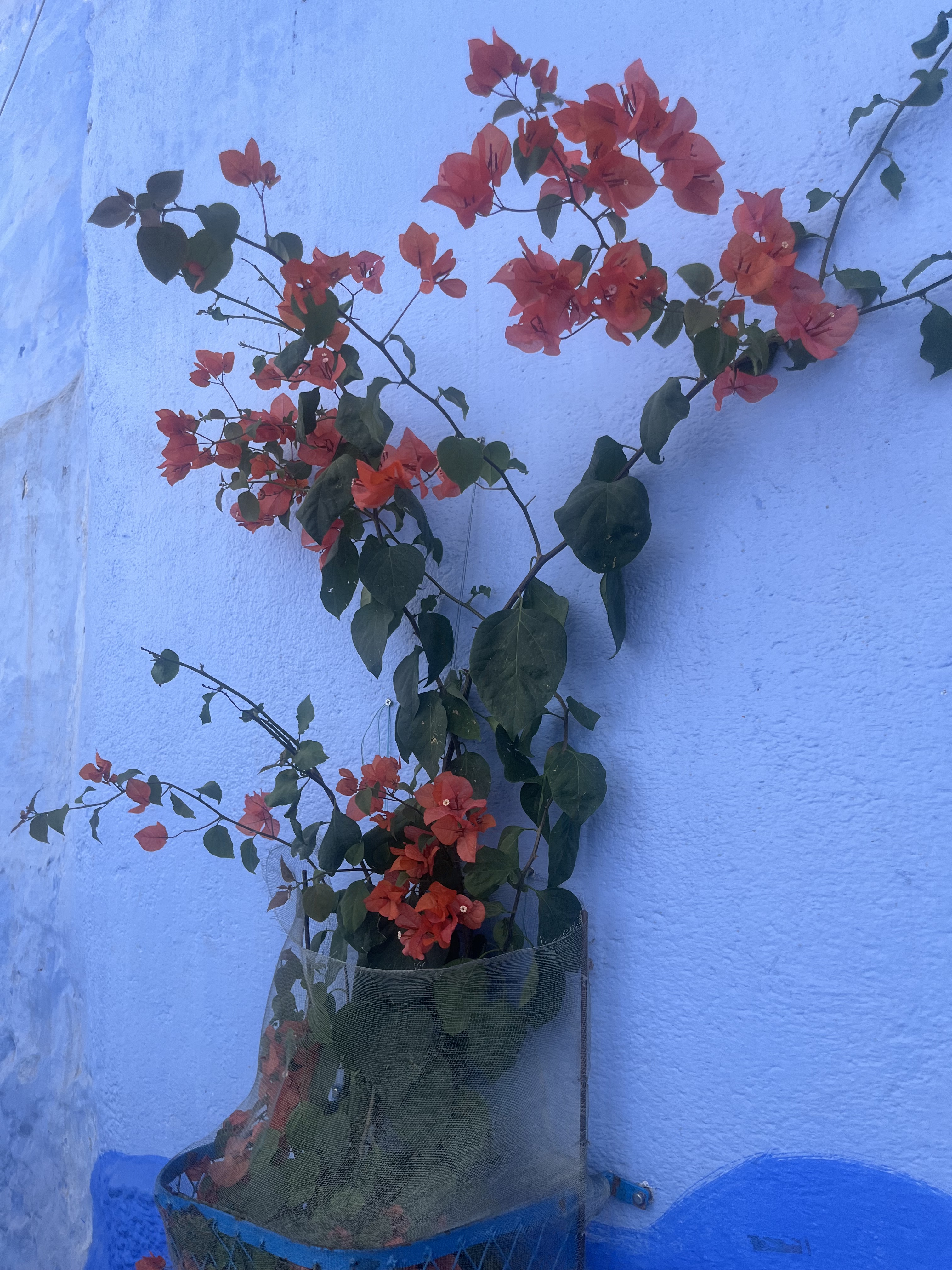
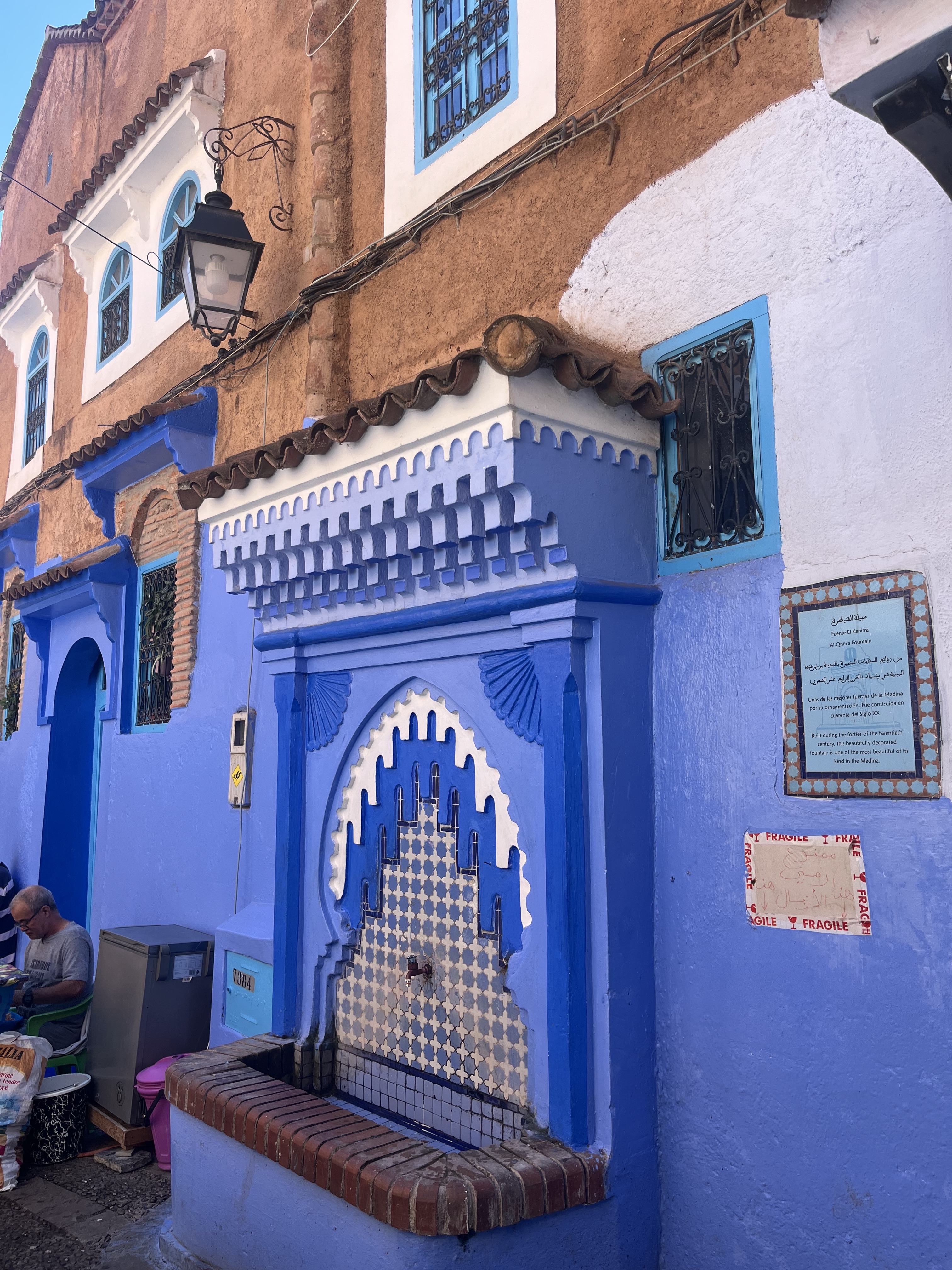
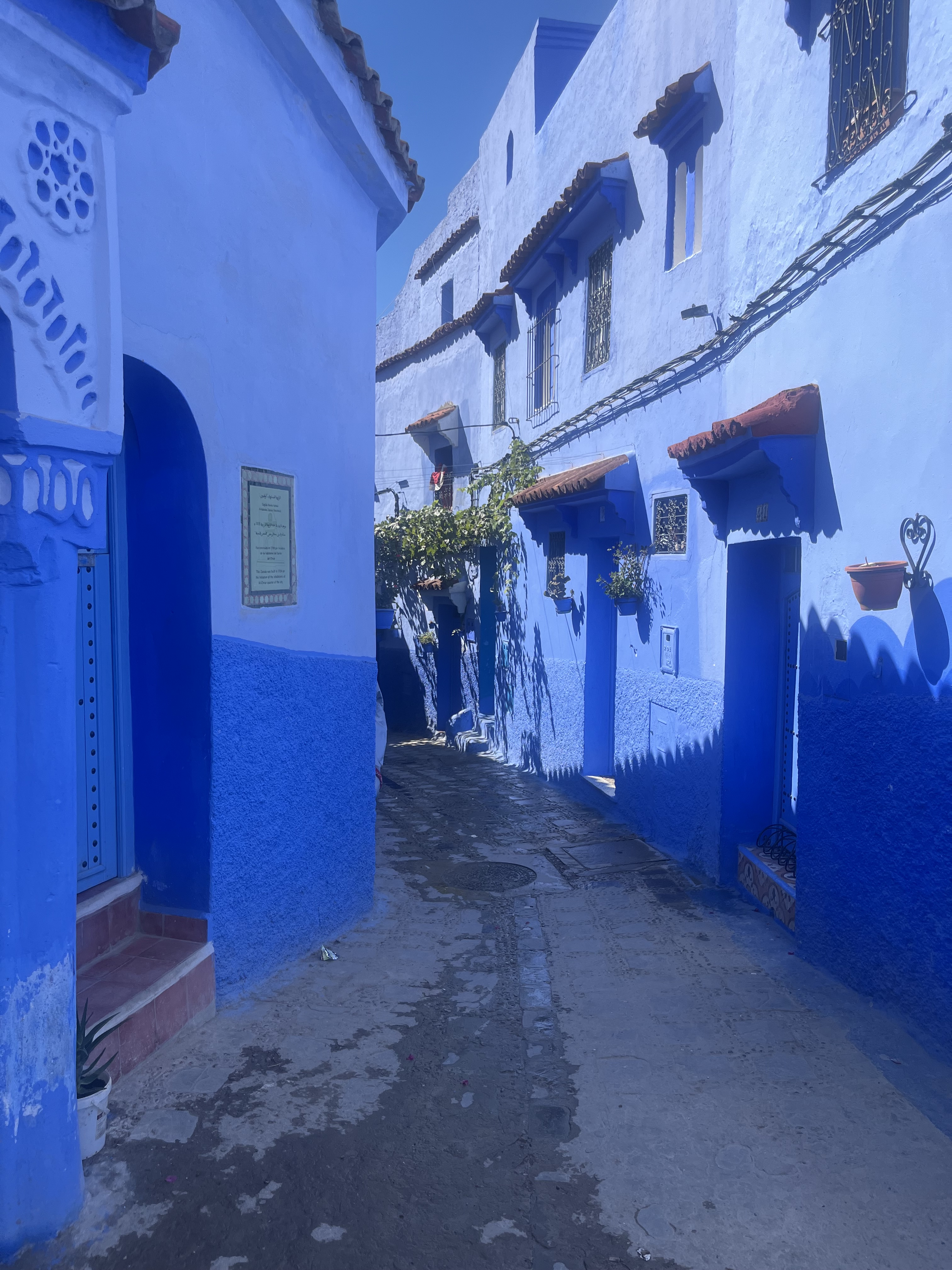
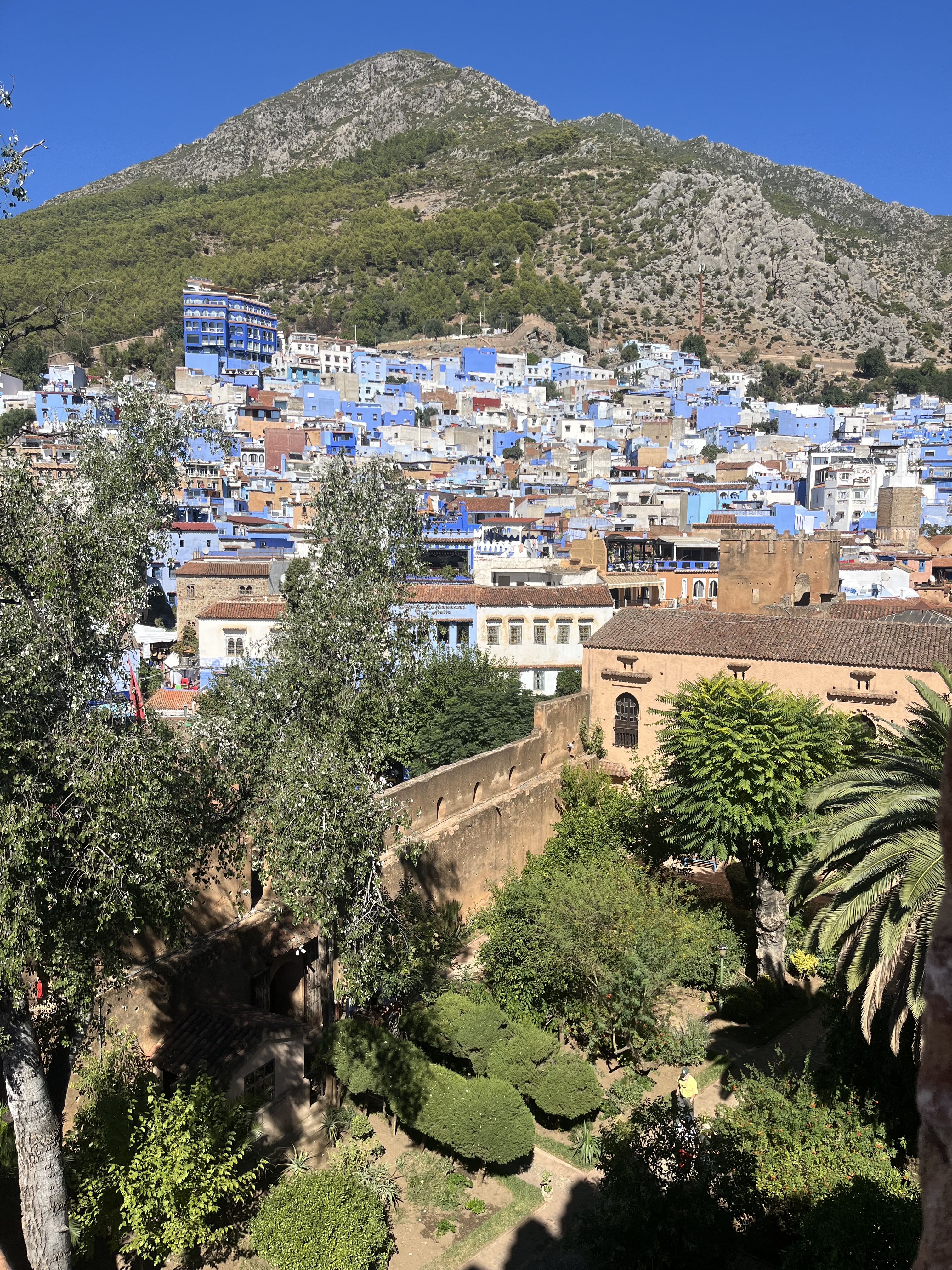
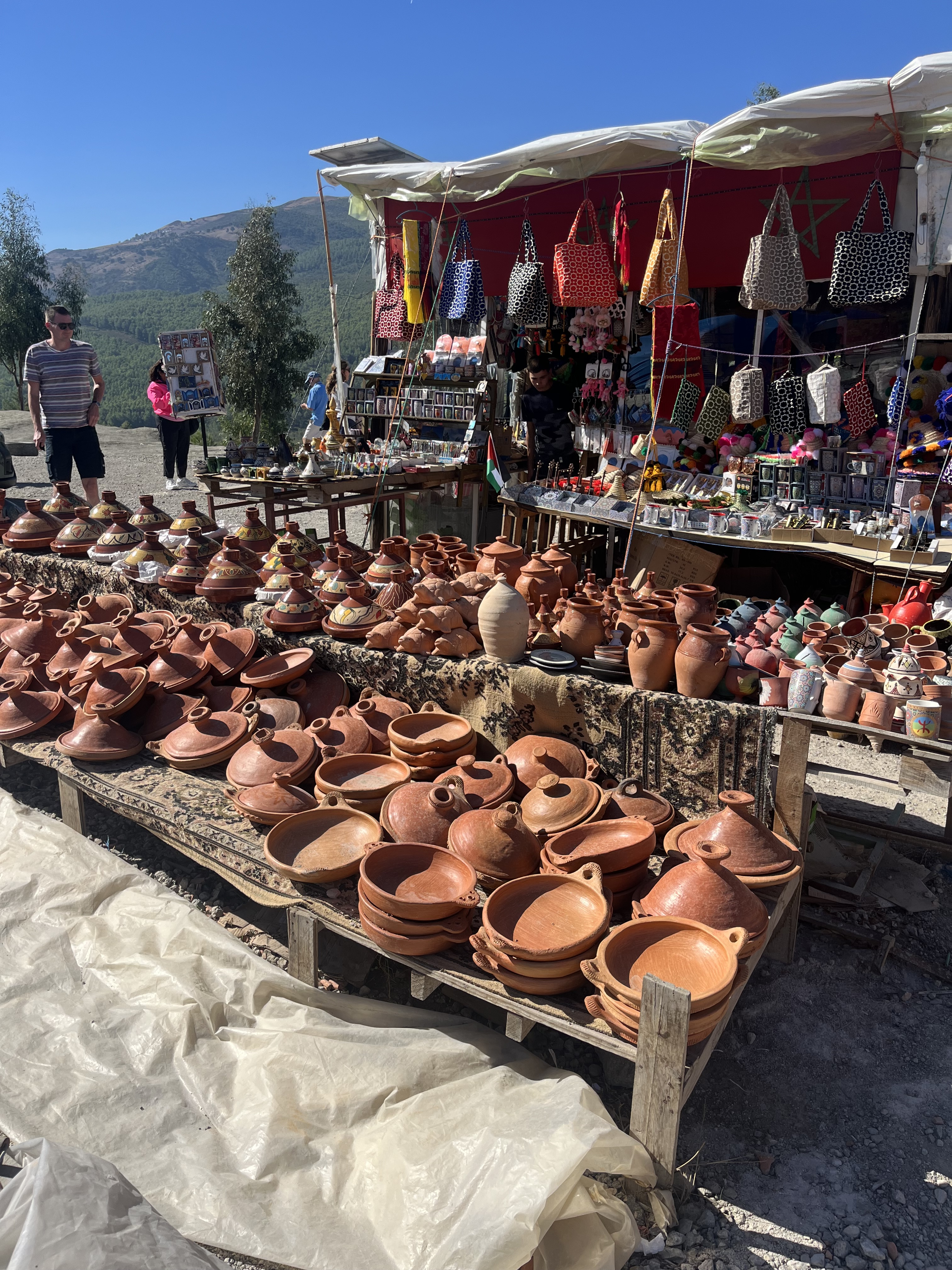
We toured the medina (city or town in Arabic), climbed a tower in the kasbah (fortress or fortified area of a city in North Africa). I only bought postcards and a magnet, despite the many offerings of pottery, leather goods and textiles, not to mention the many trinkets available.
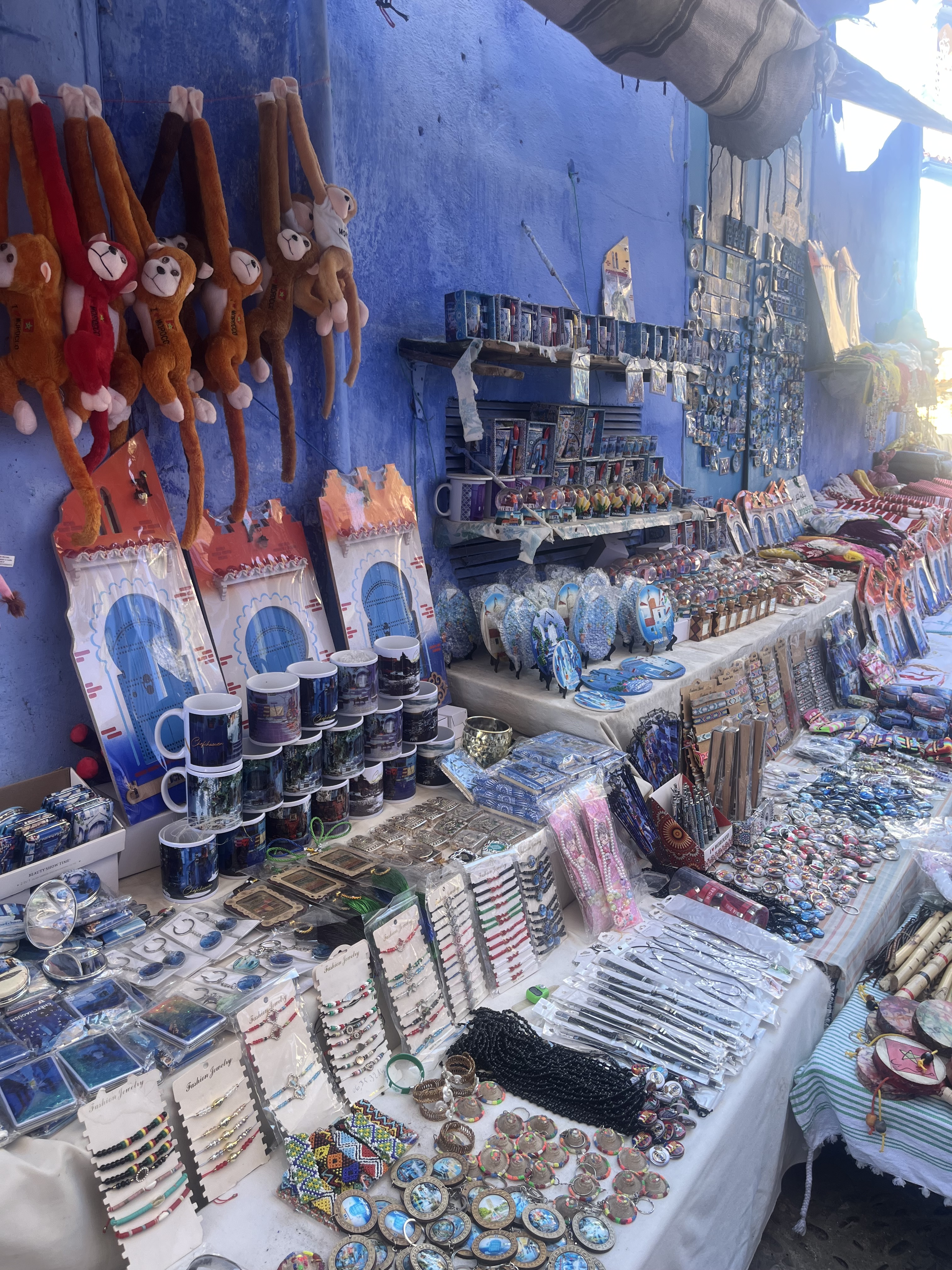
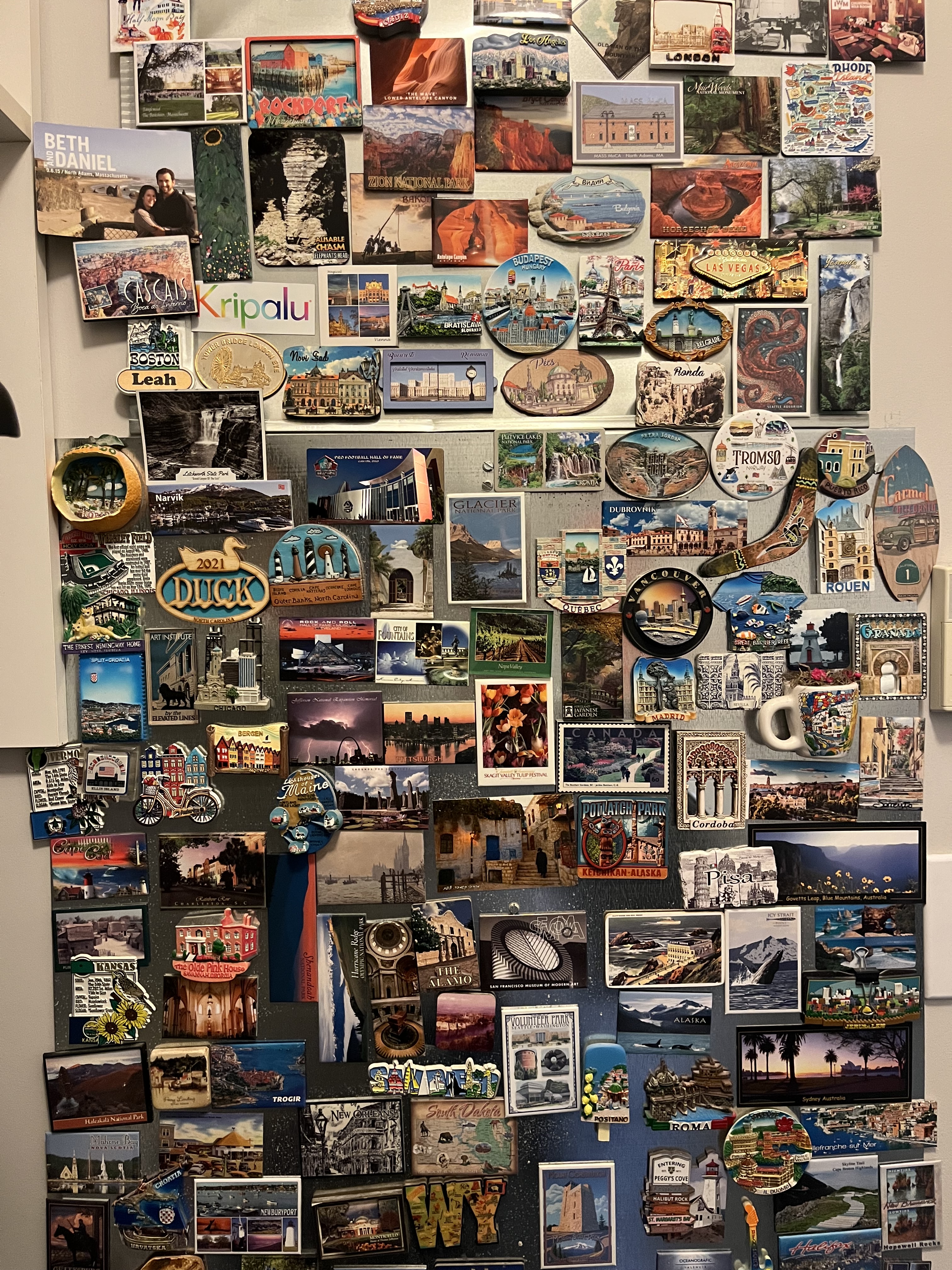
I buy postcards to send to my children/grandchildren and a magnet for my wall at home wherever we travel. From this trip, I bought four (I already had magnets from Lisbon and Barcelona). I love looking at the wall in my laundry room and being reminded of all the places I have been lucky enough to go.
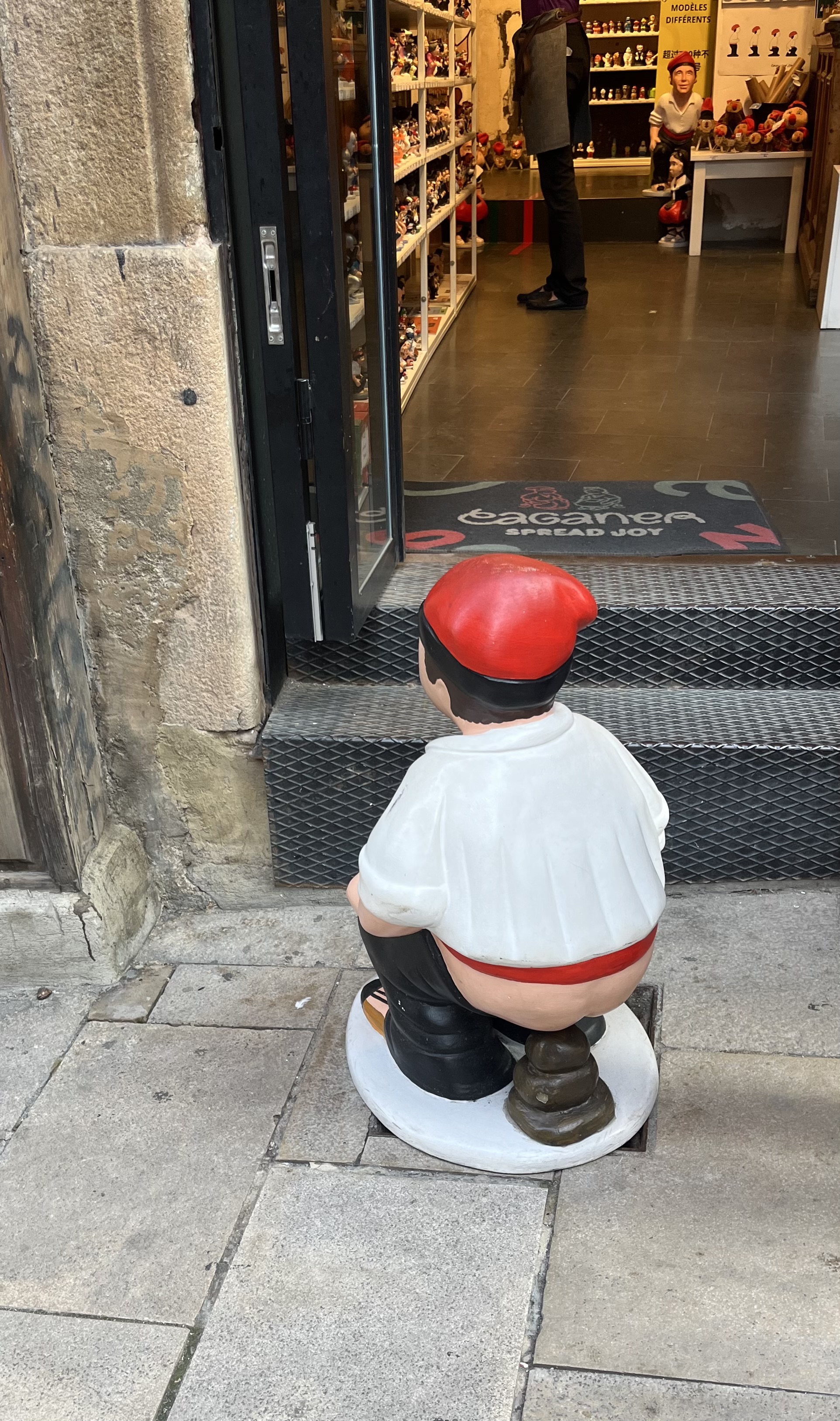
Our trip ended in Barcelona. We took a tour, and as we emerged from a narrow street, we saw a shop with a surprising display. It was a statue of a person sitting to take a dump – see the photo below. The whole shop had statues of varying sizes and different characters in the same pose. Our guide, who is from Barcelona, explained that this figure, known as the Caganer (the pooper), is part of a Catalan tradition. She said, “We are a scatological people,” with a smile and a shrug. At Christmas, the figurine would be hidden somewhere in the house, and the children would have to find it. Whoever found it got a prize. It would be placed in the Nativity scene in the home and was a symbol of good luck, prosperity and fertility. I told Gary it reminded me a little of our tradition of searching for the Afikoman at Passover. He did not see the similarity. Different strokes for different folks.
I loved learning these tidbits about different cultures. Aside from appreciating the beauty of other countries, whether man-made or natural, that is the best part of travel. Some people travel for food or wine, or art. I love those things, too, but hearing about different traditions and perspectives on life, is priceless. What tidbits have you picked up on your travels? What stories, ideas or images stay with you when you come home?
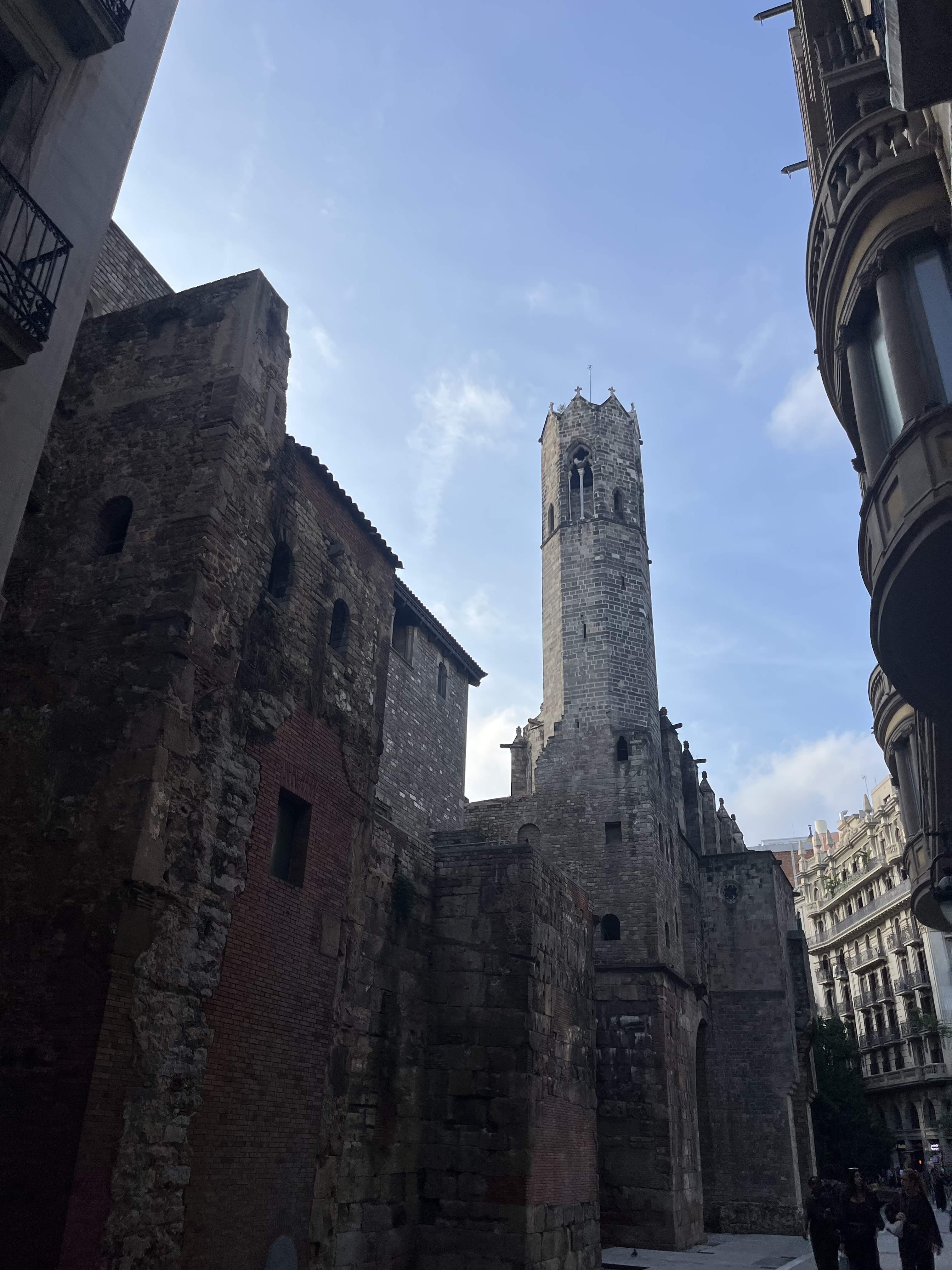
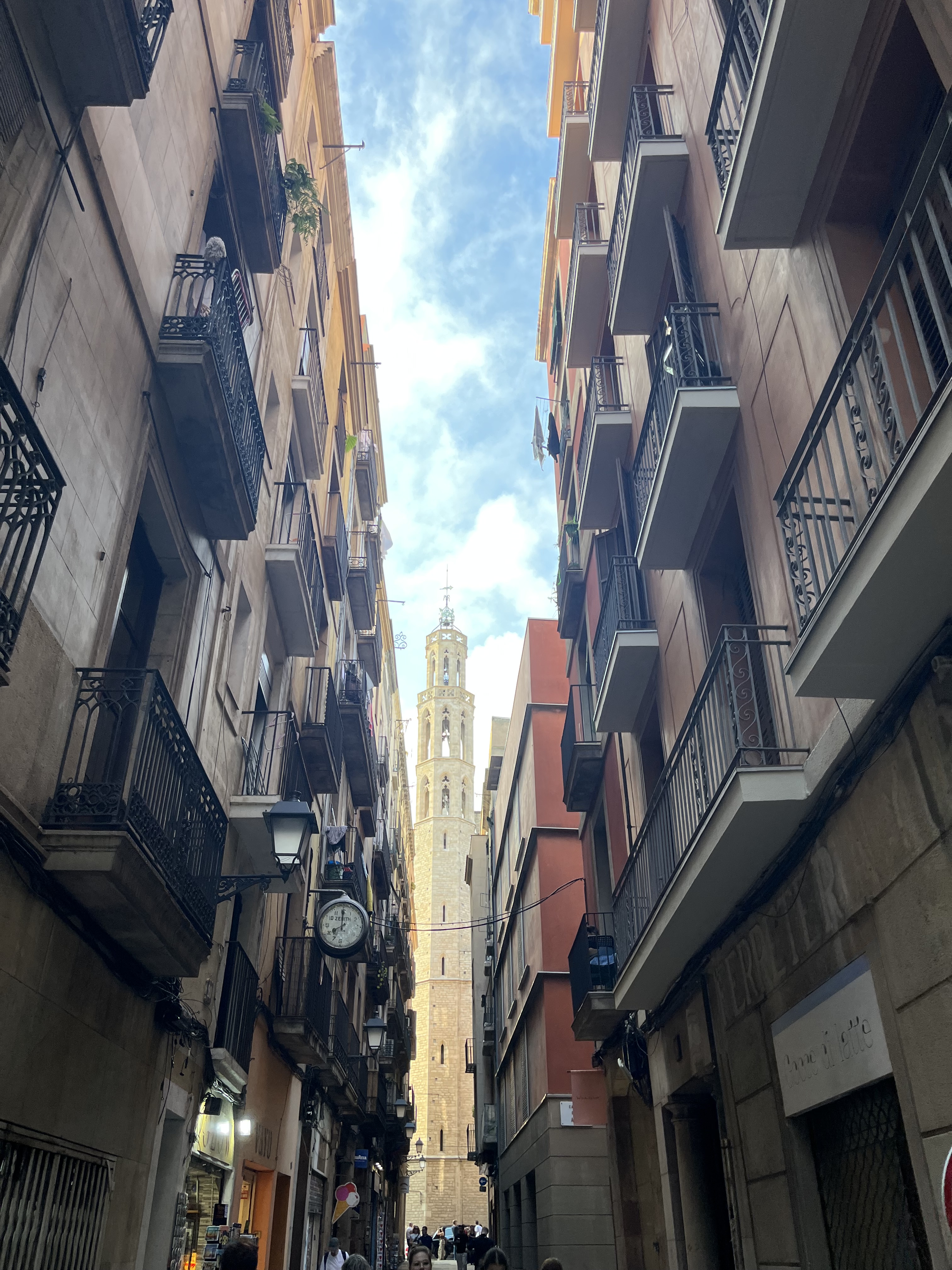
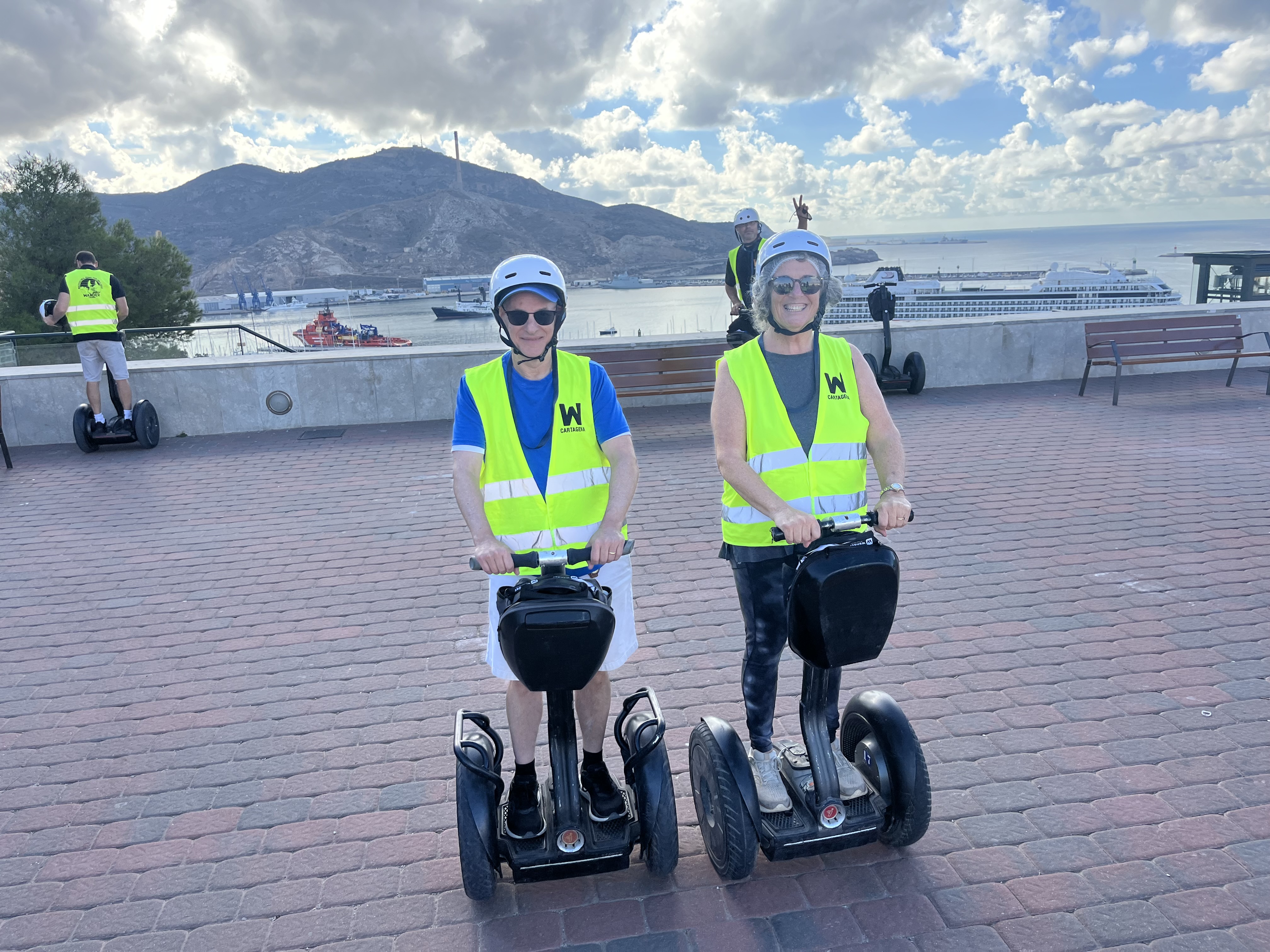
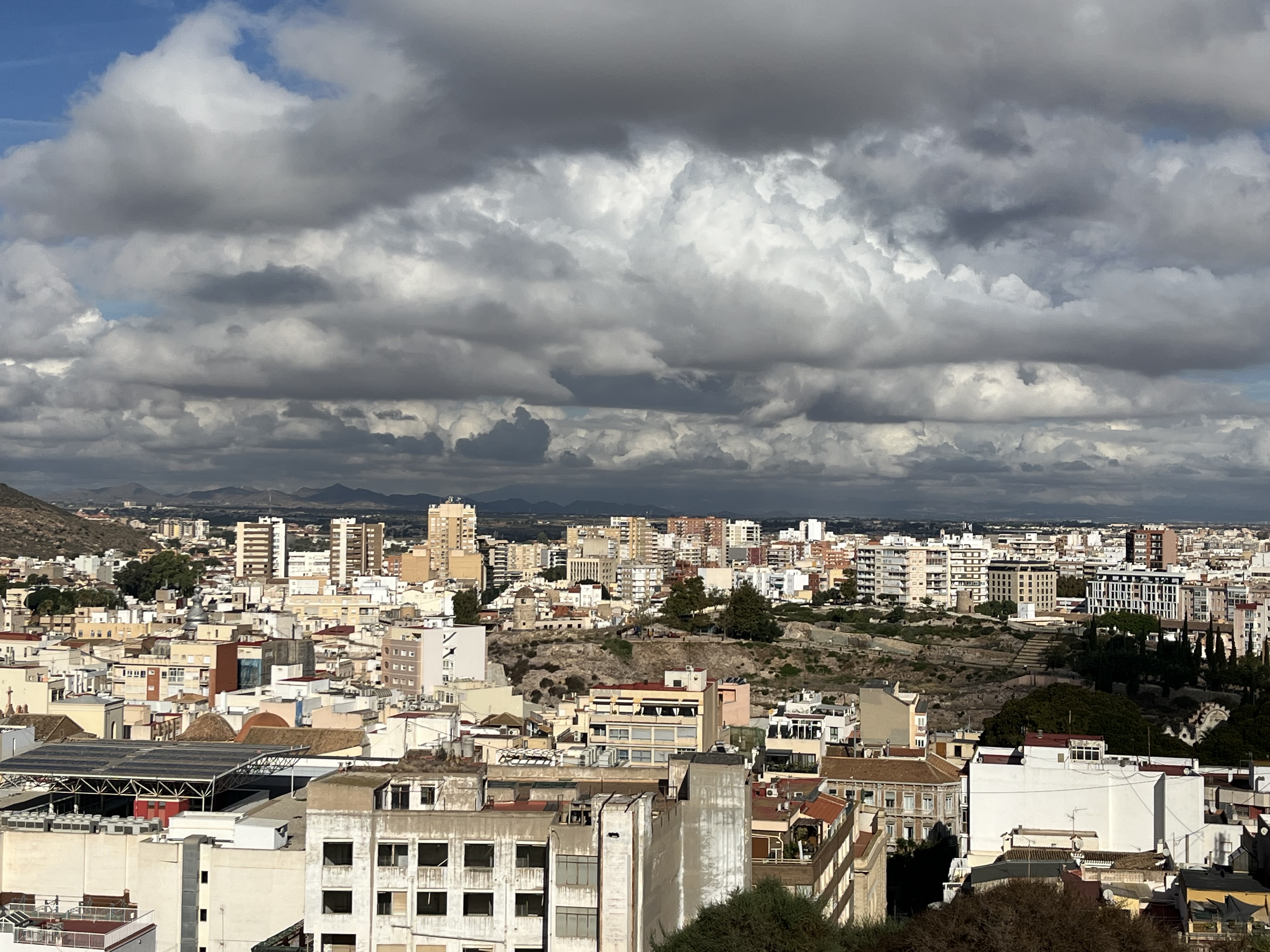
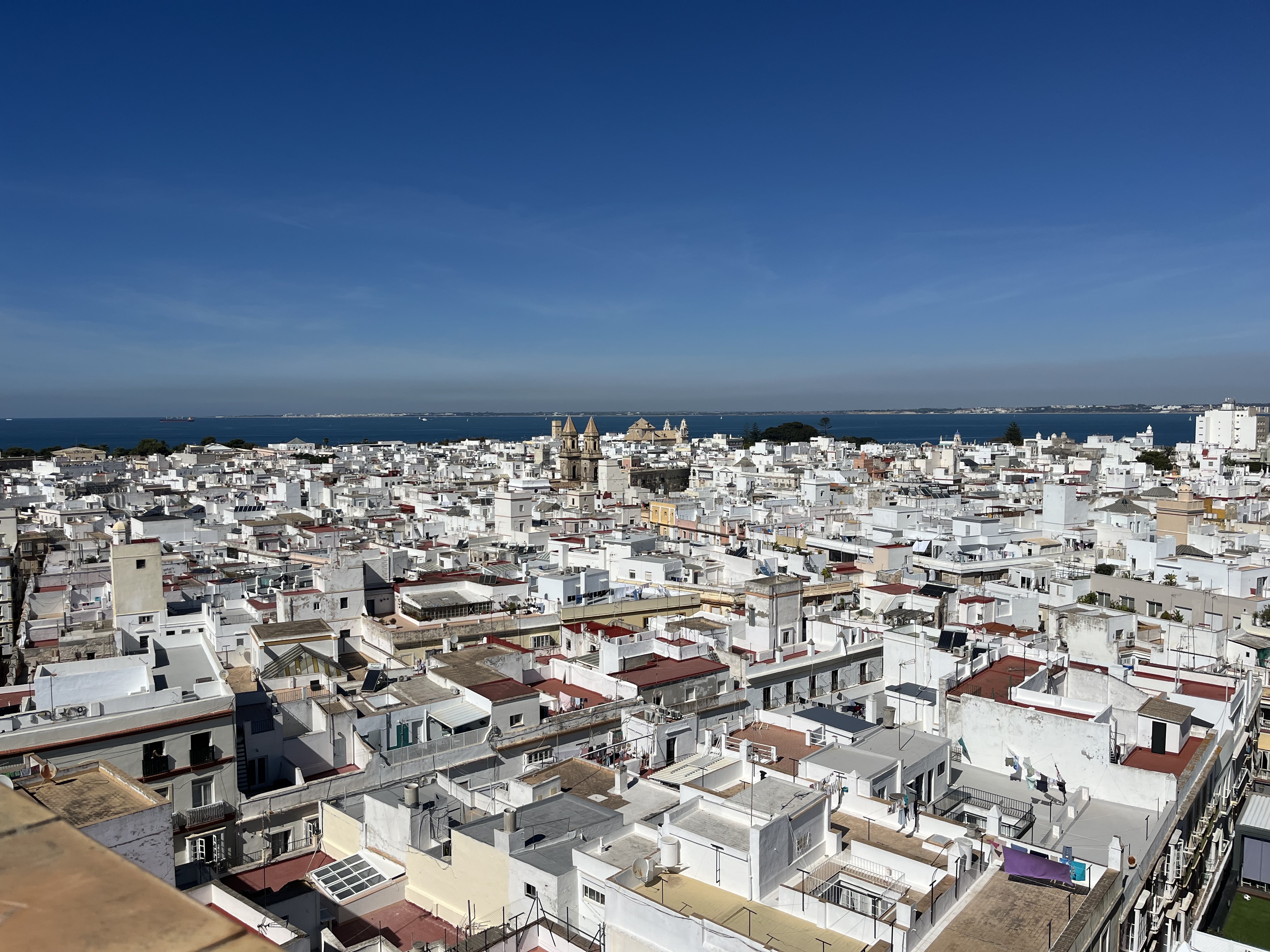
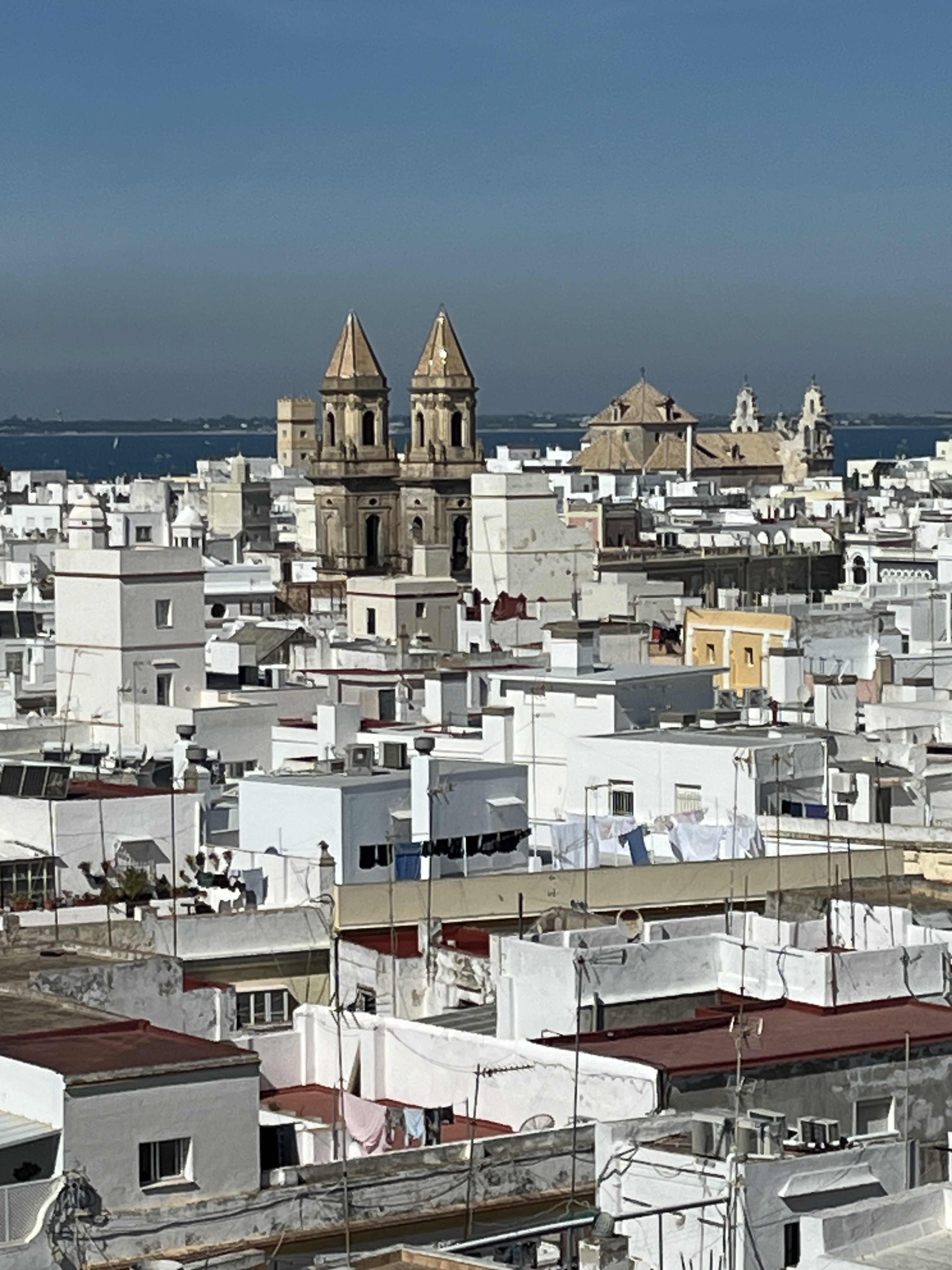
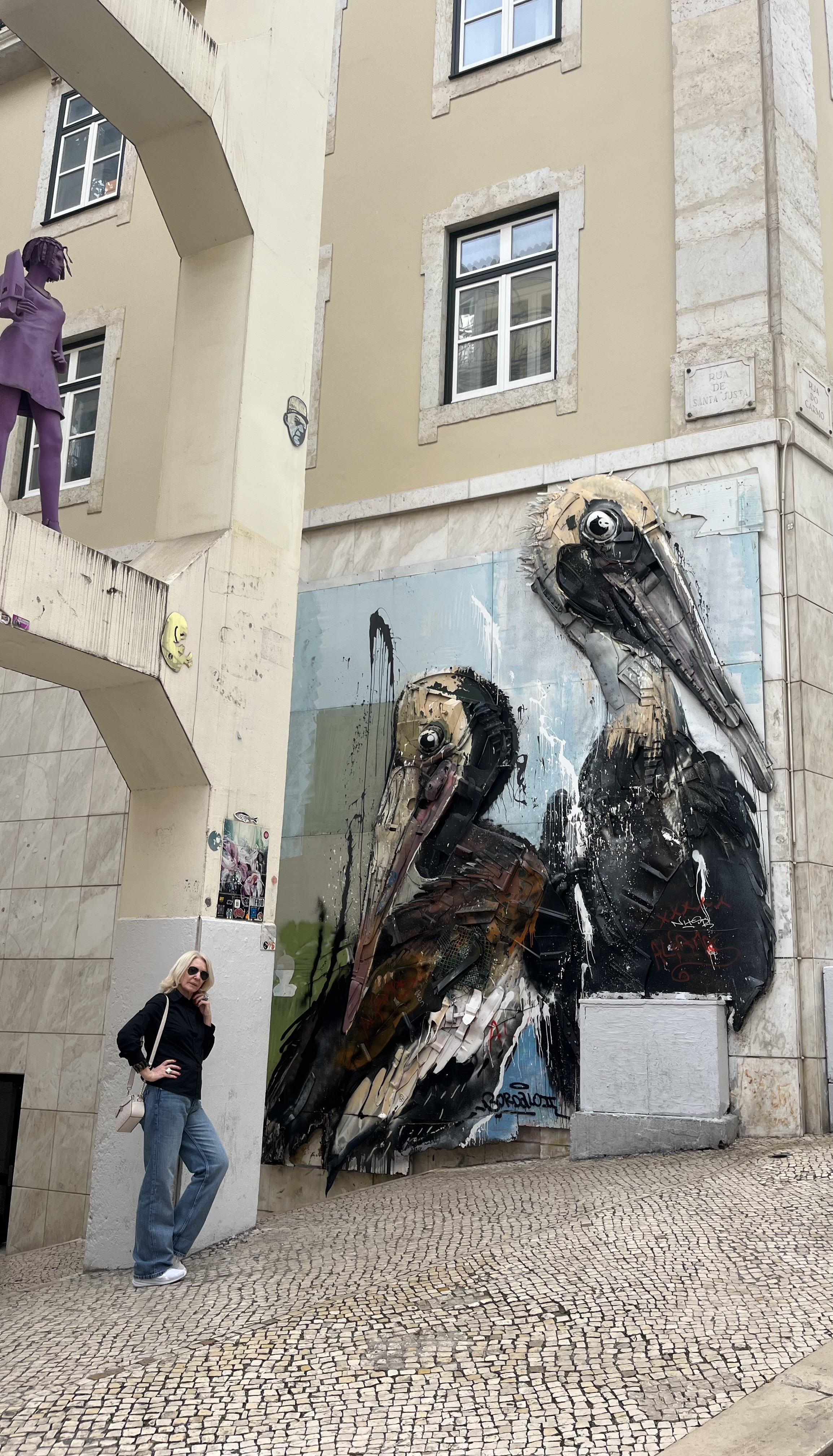
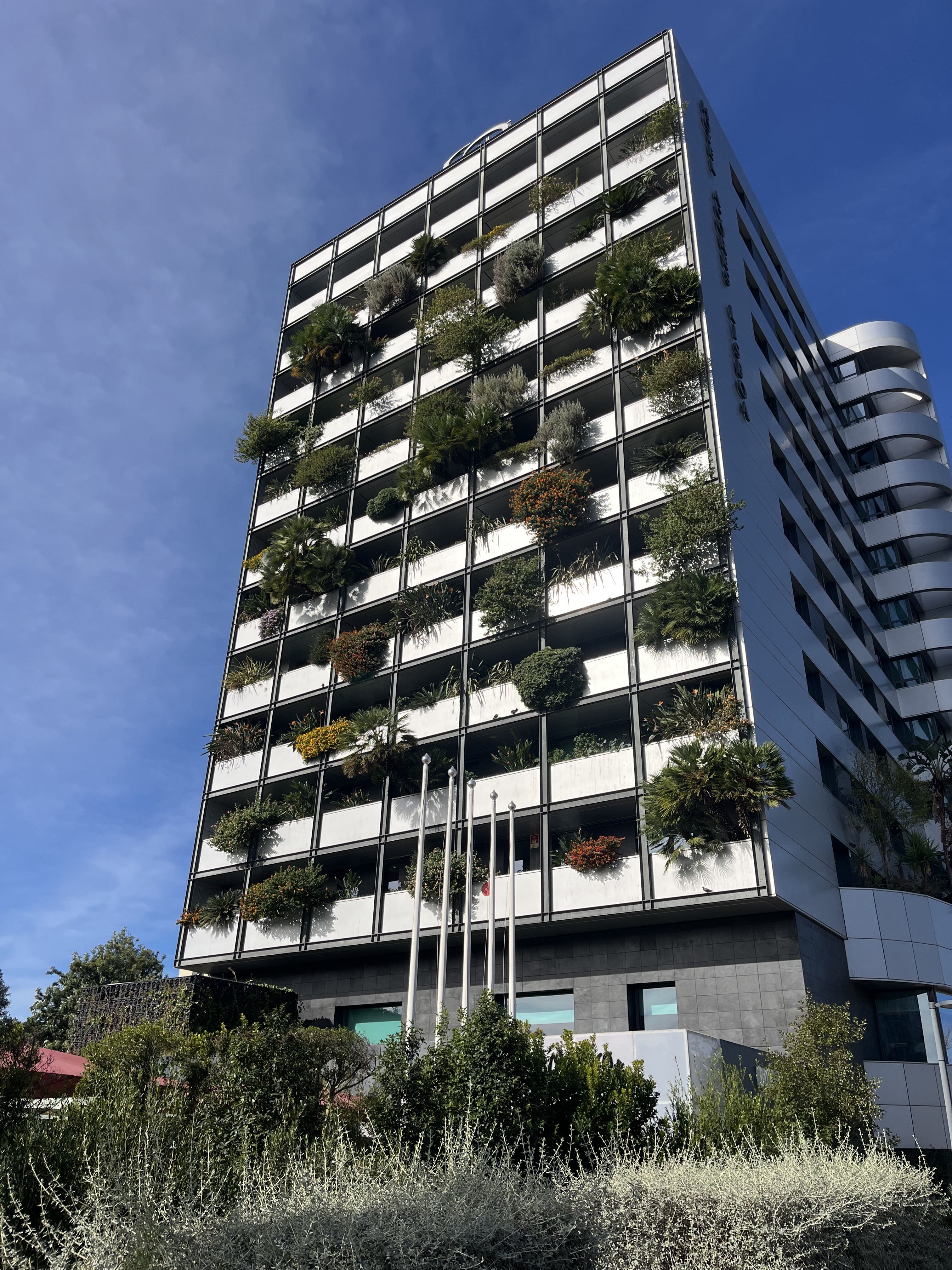
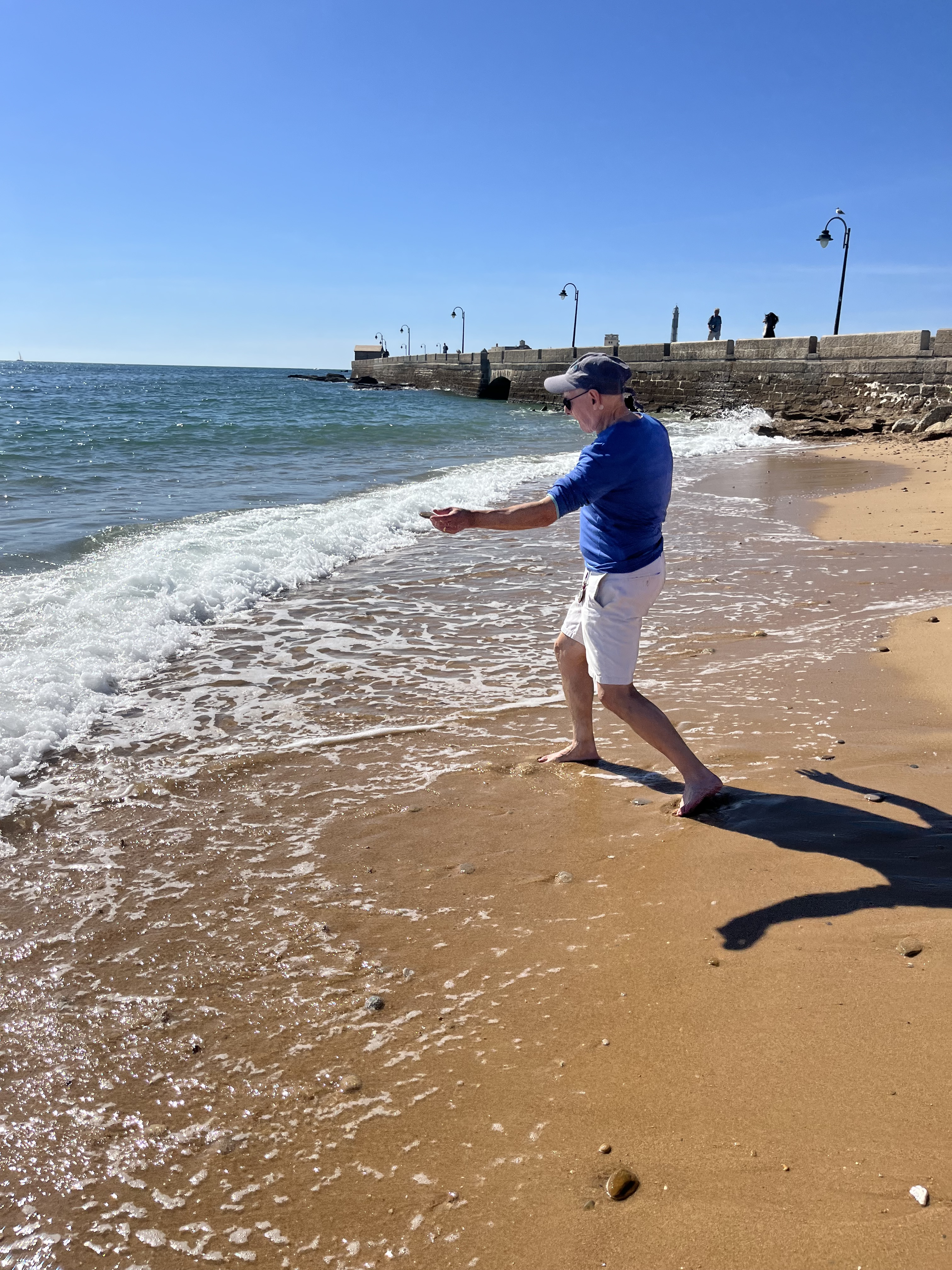
Some other images that will stay with me from our trip:

Leave a Reply